
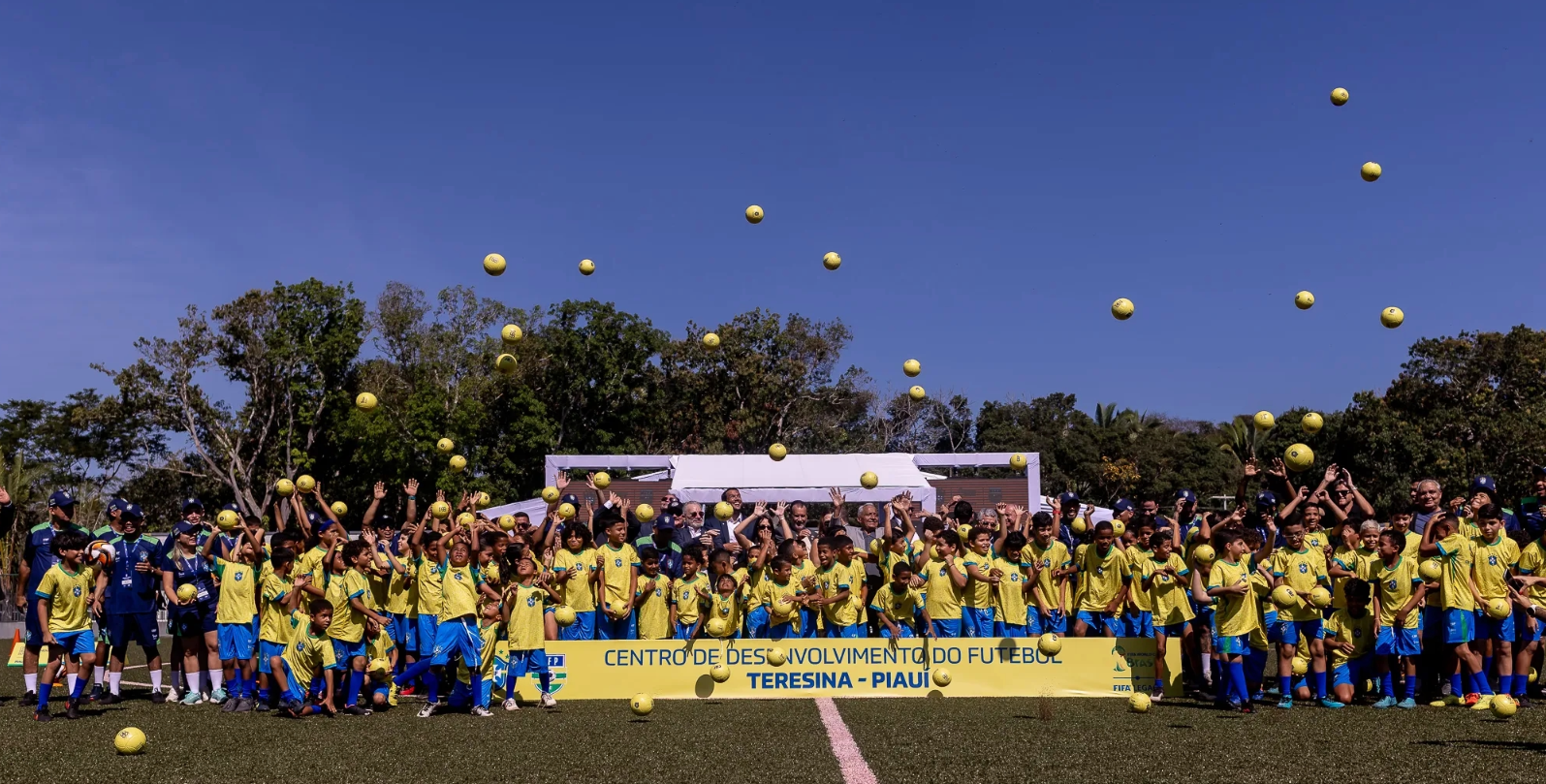
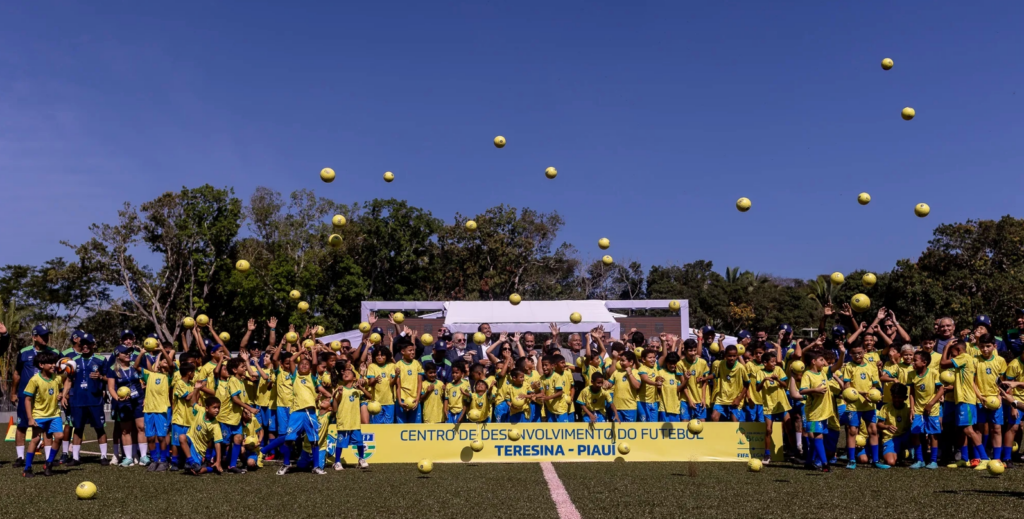
BRAZIL — FIFA has expanded its long-term football development programme in Brazil with the opening of two additional regional technical development centres in the states of Espírito Santo and Piauí, continuing efforts to turn the legacy of the 2014 FIFA World Cup into lasting grassroots infrastructure.
FIFA announced the opening of the facilities on August 7. The centres are financed through the 2014 FIFA World Cup Brazil Legacy Fund, which was established to direct resources generated around the tournament toward the continued development of football in the country.
The two new centres are part of a wider initiative that calls for 15 football development centres to be established in areas of Brazil that did not host matches during the 2014 World Cup.
Taking the World Cup Legacy Beyond Host Cities
Brazil’s 2014 World Cup was staged across 12 host cities, with major investments made in stadiums and tournament infrastructure. The development-centre programme takes a different approach by directing resources toward communities outside those host locations.
According to FIFA, the new facilities are intended to provide opportunities for football development at the regional level, particularly for young players and women.
The centres will support youth and women’s football competitions while also providing facilities and opportunities for the education and development of coaches and referees.
That broader focus is significant because developing football requires more than identifying talented players. Coaches, referees, administrators and accessible facilities are all essential parts of building a sustainable football system.
More Than US$100 Million in Legacy Investment
FIFA says more than US$100 million from the Brazil World Cup Legacy Fund is being invested in long-term football-development initiatives.
The scale of that investment makes Brazil an important example in the continuing debate over what countries actually gain after hosting major international sporting competitions.
World Cups can bring new stadiums, transportation projects, tourism and international attention. But once the tournament ends, questions often emerge about whether those investments continue benefiting ordinary communities.
The regional development-centre programme is designed to extend some of those benefits beyond the cities that were at the center of the 2014 tournament.
By placing facilities in regions that did not host World Cup matches, the initiative could help provide greater access to organized football and professional training opportunities in communities that otherwise might not receive major football infrastructure investment.
Youth and Women’s Football Could Be Major Beneficiaries
The emphasis on youth and women’s competitions could become one of the programme’s most important long-term contributions.
For young players, access to suitable pitches, organized competitions and qualified coaches can provide a clearer pathway from grassroots football into higher levels of the sport.
For women’s football, additional facilities and competitions can help expand participation and create more consistent opportunities for players to develop.
Training coaches and referees could also produce benefits beyond the individual centres. Those professionals can take the knowledge and experience gained through development programmes back into clubs, schools and local competitions throughout their regions.
A Test of the World Cup Legacy Model
More than a decade after Brazil hosted the 2014 World Cup, the continued investment raises a larger question for international football: What should a World Cup leave behind after the final whistle?
The success of a tournament is usually measured by attendance, television audiences, revenue and the quality of competition. But its longer-term value can also be measured by what remains for local communities years later.
The opening of the Espírito Santo and Piauí centres provides another opportunity to evaluate whether World Cup resources can be transformed into lasting grassroots development.
If all 15 planned centres become active hubs for youth football, women’s competitions, coaching education and referee development, the programme could demonstrate how major sporting events can produce benefits well beyond stadiums and host cities.
For FIFA and Brazil, the real measure of success will therefore not simply be how many centres are constructed.
It will be how many players, coaches, referees and communities are still benefiting from them years from now.