
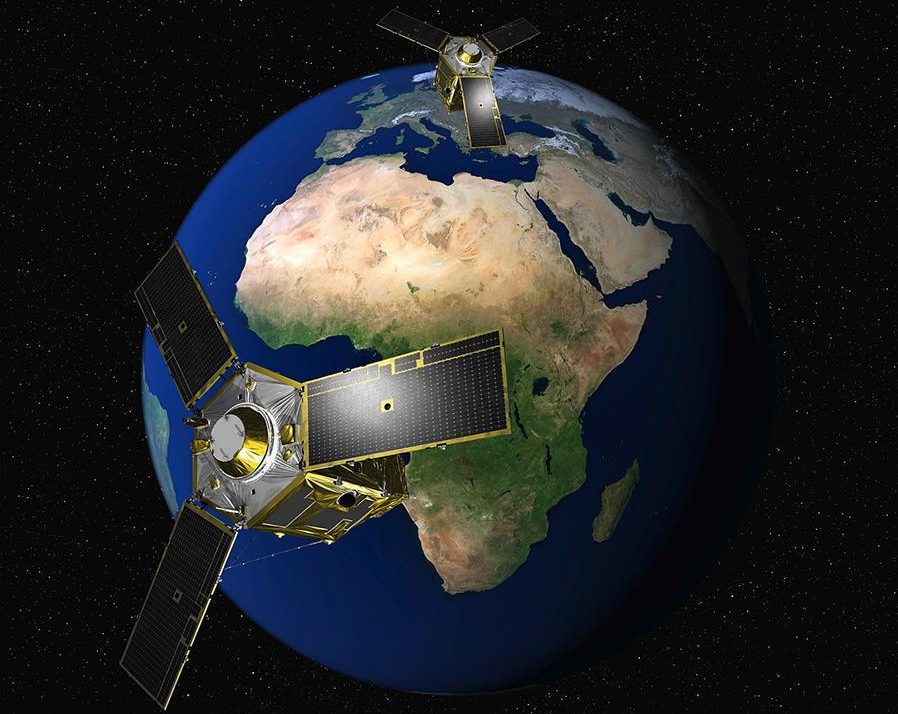
ABUJA, Nigeria — The Economic Community of West African States (ECOWAS) has begun a three-day technical meeting in Abuja to review and validate the proposed architecture of ECOSAT-1, a regional Earth-observation satellite designed to strengthen the bloc’s access to critical geospatial data.
The meeting, which opened on November 18, brings together technical experts, policymakers, and stakeholders to assess the satellite’s overall design and operational framework. Discussions are focused on validating key technical specifications, evaluating ground station requirements, reviewing budgetary considerations, and identifying potential partnerships necessary for the successful implementation of the project.
ECOSAT-1 is envisioned as a strategic regional asset that could give West African countries improved access to satellite-generated information across sectors. According to project objectives, the satellite is expected to support agricultural planning, disaster forecasting and response, environmental protection efforts, public health monitoring, and regional security initiatives.
By improving access to accurate, timely geospatial data, ECOWAS hopes the initiative will strengthen evidence-based decision-making and support sustainable development across member states. Regional officials view space-based technologies as increasingly important tools for monitoring climatic conditions, managing natural resources, responding to emergencies, and addressing cross-border challenges.
During the Abuja meeting, participants are conducting detailed reviews of the satellite’s proposed architecture to ensure that it meets the region’s operational and developmental needs. Experts are also examining the infrastructure required to receive, process, and distribute satellite data throughout the ECOWAS region.
A notable highlight of the gathering was the unveiling of a three-dimensional prototype of ECOSAT-1, offering stakeholders a first visual representation of the planned satellite. The model provides an early glimpse into the project’s design while serving as a reference point for ongoing technical discussions.
Despite the progress marked by the unveiling, ECOSAT-1 remains in the planning and validation phase. The satellite has not yet been launched, and formal ministerial adoption of the project is still pending. Outcomes from the technical meeting are expected to inform subsequent decisions on financing, partnerships, and implementation timelines.
The meeting is scheduled to conclude on November 20, with experts expected to finalize recommendations that will guide the next stage of the ECOSAT-1 initiative and shape the future of regional space-based observation capabilities in West Africa.