
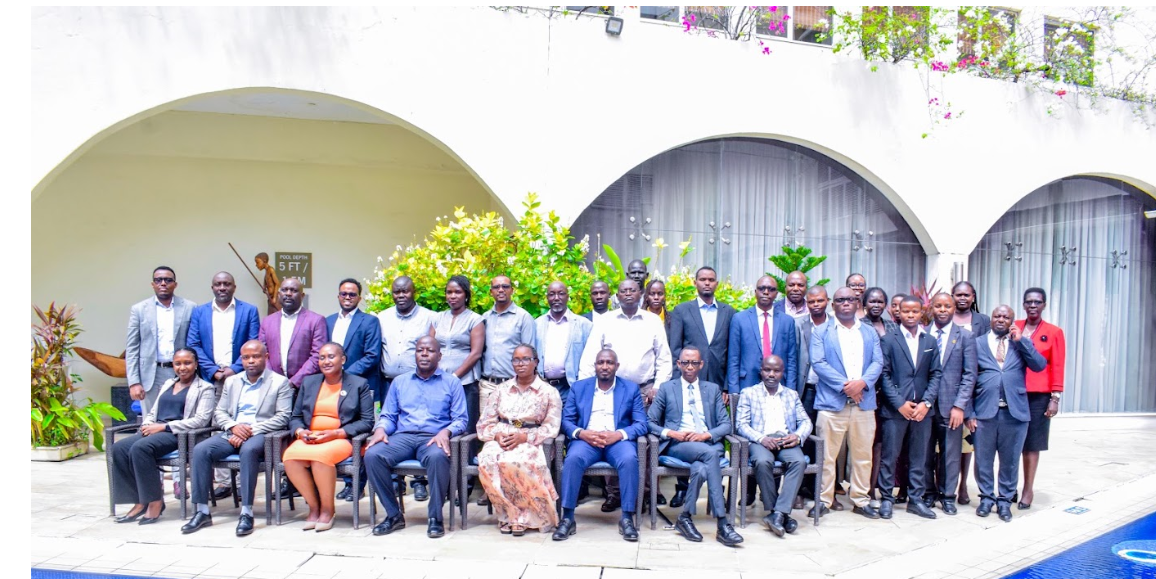
ARUSHA, TANZANIA — The East African Community (EAC) has taken another step toward strengthening regional economic integration after tourism and wildlife management ministers adopted the EAC Tourism Marketing Strategy 2027–2036, establishing a ten-year framework to promote East Africa as a unified international tourism destination.
The strategy emphasizes joint marketing campaigns, digital promotion, regional tourism packages and closer cooperation among EAC partner states.
Under the regional branding initiative, East Africa will be promoted through the slogan “Visit East Africa: Feel the Vibe.”
The initiative aims to encourage international visitors to explore multiple East African countries in a single trip rather than viewing each country as a separate tourism destination.
AFCON 2027 offers major tourism opportunity
A central component of the strategy is the use of the 2027 Africa Cup of Nations (AFCON) to promote the region internationally.
Kenya, Tanzania and Uganda are scheduled to jointly host the continental football tournament, creating an opportunity to showcase East Africa’s tourism attractions to visiting supporters, international media and football delegations.
EAC ministers have committed to using the tournament as a platform for promoting tourism across the wider Community, extending potential benefits beyond the three host countries.
The strategy could encourage visitors attending football matches to explore regional attractions, including wildlife reserves, cultural heritage sites, coastal destinations and major African cities.
However, achieving these benefits will require effective transportation connections, coordinated tourism packages and practical arrangements that make cross-border travel easier.
Tourism becomes part of East Africa’s integration agenda
Tourism is an important source of employment, foreign exchange earnings and investment across East Africa.
A coordinated regional marketing approach could help EAC partner states attract visitors interested in experiencing several destinations during one journey.
The strategy also reflects the Community’s broader objectives of facilitating the movement of people, services and investment across national borders.
Rather than competing exclusively as individual tourism markets, partner states could benefit from promoting complementary attractions and encouraging longer regional itineraries.
Digital marketing will be particularly important in presenting East Africa as a connected destination and reaching international travelers through coordinated promotional campaigns.
WDS Perspective: Turning regional cooperation into economic opportunity
For When the Dust Settles, the EAC’s new tourism strategy represents a practical example of how Africa’s Regional Economic Communities can advance integration through individual economic sectors.
The 2027 Africa Cup of Nations provides an immediate opportunity to test whether regional cooperation can generate economic benefits beyond the host countries.
The larger challenge will be turning a shared tourism brand into a seamless visitor experience.
Common marketing must be supported by reliable transportation, efficient border procedures, tourism infrastructure and cooperation among national authorities and private businesses.
The central question is whether East Africa can move beyond promoting itself as one destination and make traveling across the region feel like visiting one connected tourism market.
If successfully implemented, the strategy could provide lessons for other African Regional Economic Communities seeking to strengthen tourism cooperation under the African Union’s wider continental integration agenda.