
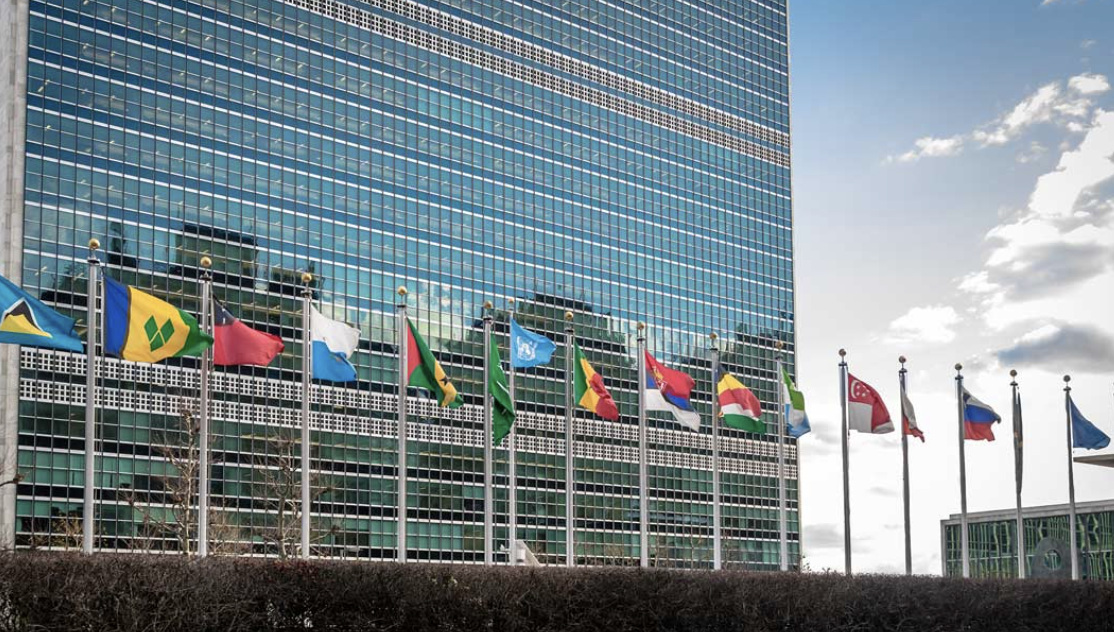
The United Nations General Assembly has overwhelmingly adopted a resolution recognizing the enslavement of Africans during the transatlantic slave trade as “the gravest crime against humanity,” marking a significant moment in ongoing global debates over historical accountability, justice, and reparations.
The measure, introduced by Ghana, passed with 123 votes in favor, while three countries—the United States, Israel, and Argentina—voted against it. Fifty-two nations, including the United Kingdom and several European Union member states, abstained.
Although resolutions of the General Assembly are not legally binding, they carry considerable symbolic and political weight as expressions of international consensus.
Call for Reparations and Historical Recognition
The resolution urges member states to formally acknowledge the transatlantic slave trade’s legacy by considering public apologies and contributing to reparations initiatives. While it does not specify financial figures, it encourages the establishment of funds to support education, skills development, and community advancement for affected populations.
Addressing the assembly ahead of the vote, Ghana’s President John Dramani Mahama emphasized the moral significance of the resolution.
“Let it be recorded that when history beckoned, we did what was right for the memory of the millions who suffered the indignity of the slave trade and those who continue to suffer racial discrimination,” he said. He added that the resolution serves as both “a safeguard against forgetting” and a challenge to the enduring consequences of slavery.
Ghana’s Foreign Minister Samuel Okudzeto Ablakwa reinforced the country’s position, clarifying that the push for reparations is not about financial gain for governments but about justice for victims and their descendants. He highlighted proposals for educational endowments, training programs, and cultural restoration initiatives.
Persistent Legacy of Slavery
Between the 16th and 19th centuries, an estimated 12 to 15 million Africans were forcibly transported across the Atlantic, with over two million dying during the journey. The resolution underscores that the consequences of this system continue to manifest in structural inequalities, underdevelopment, and racial discrimination affecting people of African descent globally.
Backed by regional blocs such as the African Union and the Caribbean Community, the measure reflects growing international momentum behind what is increasingly described as “reparatory justice.” The African Union has designated reparations as a central theme for 2025, while Commonwealth leaders have also called for dialogue on the issue.
Opposition and Legal Concerns
Countries opposing or abstaining from the resolution raised concerns about its legal framing and implications. The United Kingdom acknowledged the profound harm caused by slavery but argued that the resolution’s wording presents challenges under international law. Its UN ambassador, James Kariuki, stated that no single set of historical atrocities should be elevated above others.
Similarly, the United States rejected the notion of a legal obligation to provide reparations for actions that were not prohibited under international law at the time. Its UN representative, Dan Negrea, also questioned the practical implementation of reparatory justice, including identifying eligible beneficiaries.
Cultural Restitution and Broader Impact
Beyond financial reparations, the resolution calls for the return of cultural artifacts taken during the colonial period. Ghanaian officials stressed that such items hold deep historical, cultural, and spiritual significance and should be restored to their countries of origin.
The vote highlights a widening global divide over how to address historical injustices, particularly as debates over racial equity, historical memory, and cultural restitution intensify. While not enforceable, the resolution signals a growing willingness among a majority of nations to formally confront the enduring legacy of the transatlantic slave trade.