
FREETOWN, Sierra Leone — August 11, 2026 — Constitutional reform has emerged as a major political issue in Sierra Leone as Parliament prepares to consider the Constitution of Sierra Leone (Amendment) Bill, 2025.
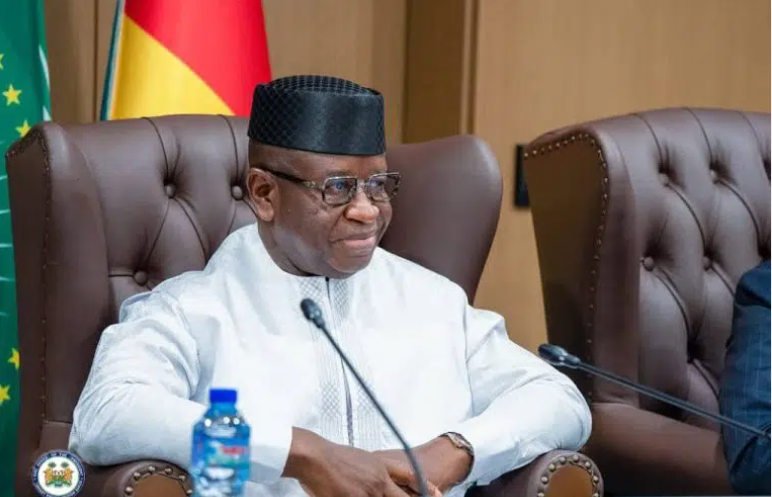
President Julius Maada Bio, in a national address on August 9, discussed the proposed constitutional changes ahead of parliamentary consideration of the legislation, placing the issue at the center of the country’s current political debate.
Unlike ordinary legislation, constitutional amendments can have long-term consequences for how a country is governed. Depending on the provisions ultimately approved, constitutional changes can affect political representation, elections, the powers and responsibilities of state institutions, and the relationship between citizens and government.
Parliament Now in Focus
Attention is therefore turning to Sierra Leone’s Parliament and how lawmakers handle the proposed amendments.
The process is significant because a constitution establishes the fundamental rules under which political institutions operate. Changes to those rules can remain in place long after the current government leaves office.
That makes transparency, parliamentary scrutiny and public understanding particularly important during constitutional reform.
The debate also comes at an important moment for Sierra Leone’s democratic institutions, with questions surrounding governance and political representation carrying implications for future elections and the country’s longer-term political development.
As Parliament considers the Constitution of Sierra Leone (Amendment) Bill, 2025, the key issue will be not only which amendments are approved, but how those changes could reshape Sierra Leone’s political and institutional framework.
For Sierra Leoneans, constitutional reform is ultimately about more than one bill or one administration.
It is about the rules under which the country will be governed in the years ahead.