
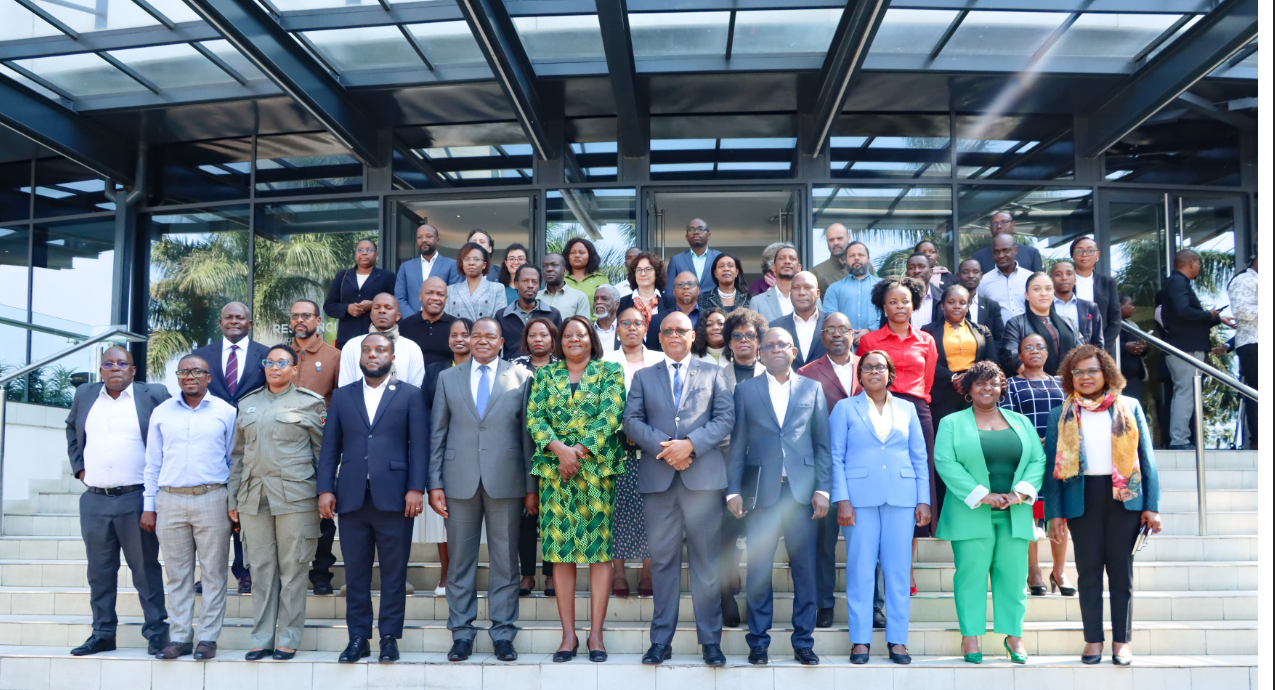
MAPUTO, Mozambique — The Southern African Development Community (SADC) and the Government of Mozambique have concluded a national dialogue aimed at strengthening regional cooperation on conservation, biodiversity protection and sustainable management of natural resources across Southern Africa.
The discussions in Maputo focused on the implementation of the SADC Transfrontier Conservation Areas Programme 2023–2033, a regional framework designed to improve cooperation among countries that share ecosystems, wildlife corridors, rivers and other natural resources.
The dialogue comes as Southern African governments face the challenge of protecting ecosystems that do not stop at national borders. Wildlife migration routes, river basins, forests and marine ecosystems often stretch across several countries, making regional cooperation increasingly important.
Mozambique’s Strategic Role
Mozambique occupies an important position in Southern Africa’s conservation landscape because of its extensive coastline, major river systems and ecosystems that connect with neighboring countries.
Participants discussed several areas of cooperation, including biodiversity conservation, river-basin management, conservation financing, marine ecosystems and development of the blue economy.
Particular attention was also given to the potential establishment of additional marine conservation areas along the Mozambique Channel.
The Mozambique Channel, which separates Mozambique from Madagascar, contains important marine ecosystems and supports fishing, tourism, shipping and coastal communities.
Expanding cooperation on marine conservation could therefore help governments balance environmental protection with economic development.
Conservation Across National Borders
One of the central ideas behind SADC’s transfrontier conservation approach is relatively simple: nature does not recognize political borders.
An elephant moving across Southern Africa may travel between several countries. A river originating in one country may provide water to communities, farms and wildlife hundreds of kilometers away in another.
That means decisions made by one government can affect neighboring countries.
Through transfrontier conservation areas, SADC member states can coordinate policies involving wildlife protection, tourism, land management, water resources and local communities.
Such cooperation can also strengthen efforts against wildlife trafficking and other environmental crimes while protecting migration corridors used by animals.
Conservation and Local Communities
The regional conservation strategy is not solely about protecting wildlife.
For communities living around conservation areas, natural resources can be closely connected to employment, food security and household income.
Tourism can create jobs in hotels, transportation, restaurants, guiding services and conservation programs. Sustainable fisheries can support coastal communities, while healthier rivers and ecosystems can improve access to water and strengthen agricultural production.
The challenge for governments is ensuring that communities living near protected areas receive meaningful economic benefits from conservation.
Conservation programs that restrict people’s access to land or resources without providing alternatives can create tensions between governments, conservation authorities and local residents.
Community participation will therefore remain important as SADC countries expand regional conservation initiatives.
Financing Remains Critical
Another major issue discussed during the dialogue was conservation financing.
Protecting large ecosystems requires substantial resources. Governments must finance park management, wildlife monitoring, environmental research, community programs and enforcement against illegal activities.
SADC’s long-term conservation strategy will therefore depend not only on government funding but also on partnerships with development institutions, conservation organizations, private investors and tourism operators.
Finding sustainable financing mechanisms could determine whether ambitious regional conservation plans can be translated into practical results.
The Blue Economy Opportunity
The discussions surrounding Mozambique’s marine resources also highlight the growing importance of the blue economy.
The blue economy refers to economic activity connected to oceans, coastlines and marine resources while seeking to maintain the long-term health of those ecosystems.
For Mozambique and other coastal SADC countries, this can include fisheries, tourism, maritime transportation, renewable energy and other ocean-based industries.
Protecting marine ecosystems could therefore serve both environmental and economic objectives.
Why This Matters for Southern Africa
Climate change, habitat loss, illegal wildlife trafficking and increasing pressure on water resources are creating challenges that individual countries cannot always address alone.
SADC’s transfrontier conservation strategy offers another model: countries cooperating to manage ecosystems as connected regional resources rather than isolated national assets.
The Maputo dialogue represents another step toward putting the 2023–2033 Transfrontier Conservation Areas Programme into practice.
The larger test will be implementation.
If governments can combine conservation with sustainable tourism, community development, effective financing and responsible use of marine and freshwater resources, transfrontier conservation could become more than an environmental initiative.
It could become an important part of Southern Africa’s broader strategy for economic development, climate resilience and regional integration.