
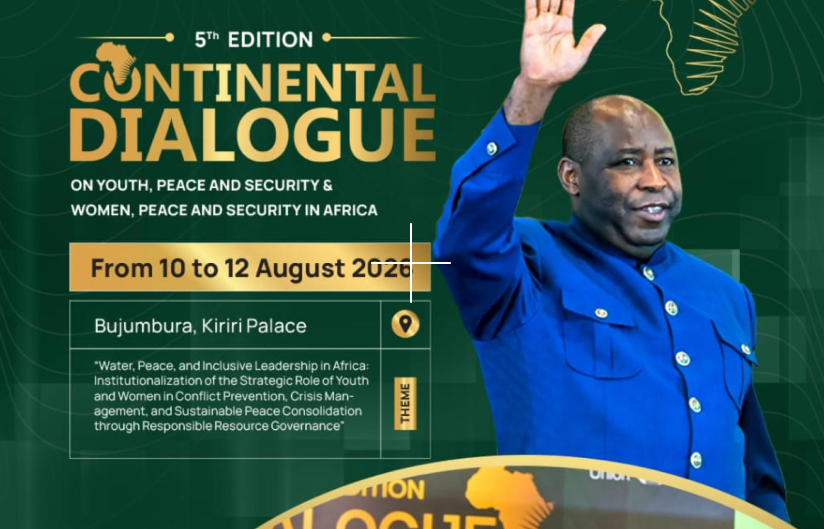
Regional organizations work to strengthen youth participation in peacebuilding, governance and conflict prevention across Africa
ABUJA, NIGERIA — The Economic Community of West African States (ECOWAS) has joined the African Union and other Regional Economic Communities in developing coordinated strategies to advance Africa’s Youth, Peace and Security agenda, according to information released by ECOWAS on August 7.
The discussions are aimed at identifying ways regional organizations can strengthen cooperation and increase the participation of young Africans in conflict prevention, peacebuilding, mediation and governance.
The initiative comes as African governments and regional institutions confront security and development challenges that disproportionately affect the continent’s large youth population.
Giving Young People a Greater Role
The Youth, Peace and Security agenda is based on the recognition that young people should not simply be viewed as victims of conflict or as potential sources of instability.
Instead, regional institutions are seeking to strengthen opportunities for young people to participate directly in efforts to prevent conflict and build more peaceful communities.
That can include youth participation in mediation, community dialogue, conflict prevention, early-warning systems, governance and post-conflict recovery.
Cooperation between ECOWAS, the African Union and other Regional Economic Communities could also help align national and regional youth programs with broader continental peace and security objectives.
West Africa Faces Multiple Challenges
The discussions are particularly significant for West Africa, where governments are confronting overlapping political, economic and security pressures.
Youth unemployment remains a major concern in several countries.
Migration, political exclusion, economic inequality and limited employment opportunities can create additional pressures, particularly in communities already affected by instability.
Parts of the region are also dealing with terrorism, violent extremism, organized crime and political instability.
These challenges have contributed to displacement and weakened economic opportunities in some communities.
ECOWAS has traditionally played an important role in regional diplomacy, conflict prevention and political mediation. Expanding youth participation could bring another group of stakeholders into those processes.
AU and Regional Communities Seek Coordination
Coordination with the African Union is important because many of Africa’s security challenges cross national and regional borders.
The continent’s Regional Economic Communities frequently serve as the first regional institutions responding to political crises and security threats.
ECOWAS operates in West Africa, while organizations including the East African Community, Southern African Development Community, Intergovernmental Authority on Development and others address regional integration and security issues in their respective areas.
Bringing these organizations together provides an opportunity to exchange strategies and identify approaches that can be adapted across different regions.
It also helps connect regional programs with the African Union’s wider continental peace and security framework.
Beyond Employment
While youth unemployment is frequently discussed as one of Africa’s major challenges, the Youth, Peace and Security agenda extends beyond job creation.
It also focuses on whether young people have meaningful opportunities to participate in decisions affecting their communities and countries.
That can include representation in political institutions, participation in peace negotiations, involvement in community organizations and opportunities to contribute to conflict-prevention initiatives.
Regional organizations are also examining how youth networks can contribute to early identification of tensions before they develop into larger conflicts.
Turning Regional Strategy Into National Programs
The next stage will involve translating regional coordination into programs that can operate at national and community levels.
Governments, youth organizations, civil society groups and regional institutions all have potential roles in implementing the agenda.
ECOWAS’ participation in the August discussions places West Africa within a broader continental effort to coordinate how African institutions approach youth participation in peace and security.
The initiative is expected to support continued cooperation between the African Union, ECOWAS and other Regional Economic Communities as they develop strategies for expanding the role of young Africans in conflict prevention, mediation, governance and peacebuilding.