
ABIDJAN, CÔTE D’IVOIRE — Côte d’Ivoire is marking a weekend of diplomatic and domestic activity, with President Alassane Ouattara receiving a senior Indian government official as the country concludes its 10th National Cleanliness Week.
President Ouattara Receives Senior Indian Official
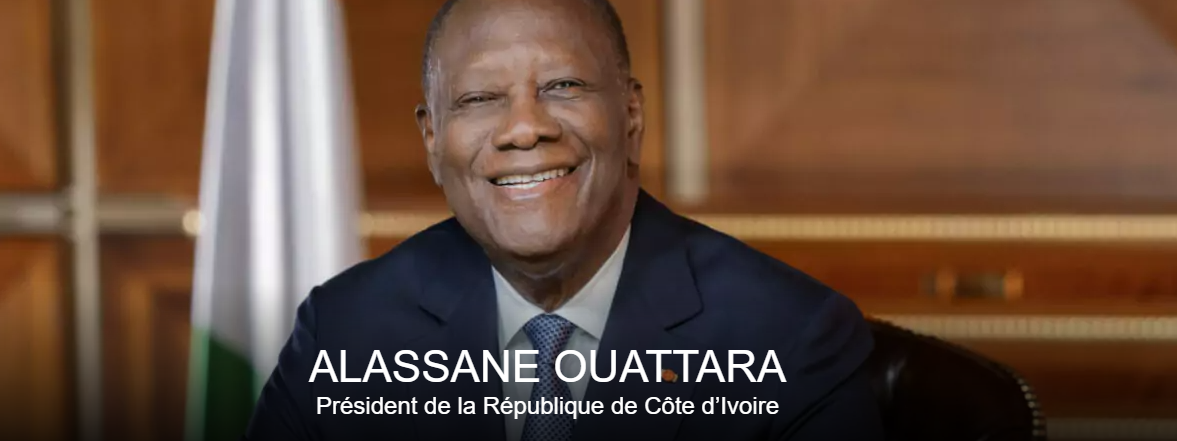
President Alassane Ouattara held talks with Kirti Vardhan Singh, India’s Minister of State with responsibilities for Foreign Affairs as well as Environment, Forests and Climate Change, as part of the Ivorian president’s official agenda for August 8.
The high-level engagement comes as Côte d’Ivoire and India continue diplomatic and economic relations spanning trade, investment and development cooperation.
Singh’s portfolio is particularly broad, covering both international relations and major environmental issues. His visit provides an opportunity for discussions involving areas of mutual interest between India and Côte d’Ivoire.
India has expanded its economic and diplomatic engagement across Africa, including cooperation in agriculture, technology, energy, infrastructure, education and capacity building.
Environmental and climate issues have also become increasingly important in relations between African governments and international partners.
For Côte d’Ivoire, climate cooperation is particularly relevant to agriculture, renewable energy, forest protection and sustainable development.
The August 8 engagement represents another high-level contact between Abidjan and New Delhi as the two countries explore opportunities for continued cooperation.
10th National Cleanliness Week Concludes
Meanwhile, Côte d’Ivoire is concluding its 10th National Cleanliness Week on August 9, following activities carried out nationwide.
The initiative focuses national attention on sanitation, waste management and maintaining cleaner communities.
Government messaging surrounding the campaign has emphasized that sanitation should be treated as a development issue rather than simply an effort to improve the appearance of cities and communities.
Waste collection and proper disposal are particularly important in rapidly growing urban areas, where population growth can place increasing pressure on existing sanitation infrastructure.
Poorly managed waste can block drainage systems, contribute to flooding and create conditions that increase public-health risks.
The campaign therefore connects cleanliness with broader issues including public health, environmental protection, drainage, flood prevention, tourism and quality of life.
National Cleanliness Week also encourages participation by communities and citizens alongside government sanitation programs.
The conclusion of the 10th National Cleanliness Week comes shortly after Côte d’Ivoire celebrated its 66th anniversary of independence on August 7, adding to several days of national activities focused on development, public participation and the country’s future.