
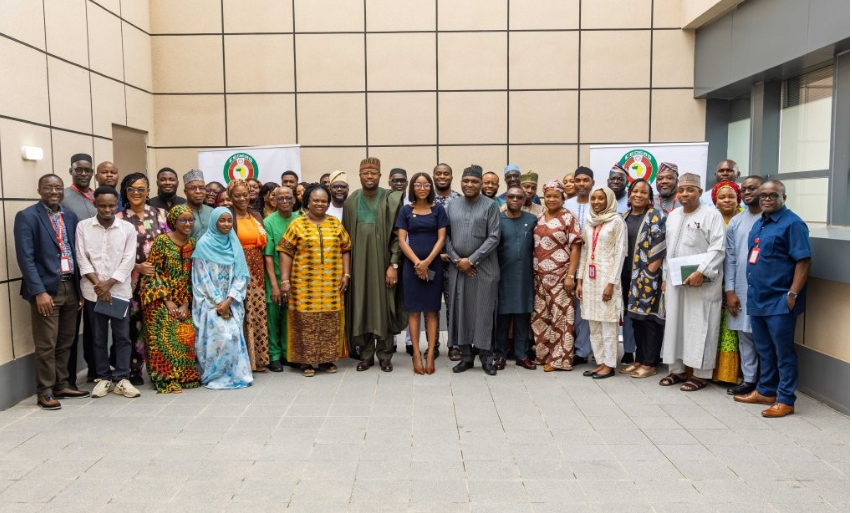
ABUJA, Nigeria — Leaders of the Economic Community of West African States (ECOWAS) have adopted the Abuja Regional Action Agenda, a new regional initiative aimed at accelerating women’s participation and leadership in politics across the bloc’s member states.
The action agenda was adopted on August 4 and reflects ECOWAS’ commitment to promoting greater gender equality in political decision-making throughout West Africa. The initiative places women’s political representation, institutional reform, and regional accountability among the organization’s key governance priorities.
According to ECOWAS, the agenda is intended to encourage member states to strengthen policies and institutions that expand opportunities for women to serve in elected and appointed public offices. The regional framework also seeks to improve accountability by promoting cooperation among governments, political institutions, and other stakeholders working to increase women’s participation in public life.
The adoption of the Abuja Regional Action Agenda comes as many countries across West Africa continue efforts to improve gender inclusion within their political systems. Although progress has been made in recent years, women remain significantly underrepresented in national legislatures, local governments, executive positions, and other senior leadership roles across much of the region.
ECOWAS expects the new agenda to support reforms that address barriers to women’s political participation, including political-party nomination processes, leadership development, and institutional practices that influence representation. The regional bloc also aims to encourage member states to share best practices and strengthen cooperation in advancing inclusive governance.
The initiative forms part of ECOWAS’ broader efforts to promote democratic governance, human rights, and sustainable development across its 12 member states. By adopting the Abuja Regional Action Agenda, West African leaders have reaffirmed their commitment to creating more inclusive political systems that enable women to play a greater role in shaping the region’s future.