
LIBREVILLE, Gabon — September 1, 2026 — The Economic Community of Central African States (ECCAS) is placing renewed attention on youth participation, peacebuilding and regional development as the bloc continues work on infrastructure and economic integration initiatives across Central Africa.
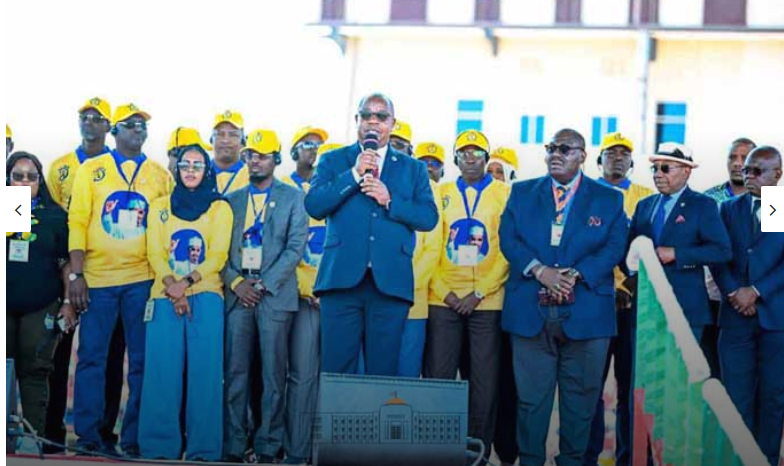
ECCAS’s latest activities include its August 29 participation in Imbonerakure Day in Burundi, alongside an August 27 appeal encouraging young people to take a more active role in promoting peace, security and development throughout the region.
The emphasis reflects the importance of Central Africa’s large youth population to the region’s long-term stability. For ECCAS, involving young people in peacebuilding and development is increasingly connected to the broader challenge of creating economic opportunities and strengthening cooperation among member states.
From Youth Participation to Regional Development
ECCAS’s regional agenda extends beyond peace and security.
The Commission has also been working with the African Union and the African Union Development Agency–NEPAD, or AUDA-NEPAD, in the Republic of Congo as part of broader efforts to strengthen development and regional cooperation.
At the same time, preparatory activities continue around renewable energy and regional infrastructure projects.
Among the most significant is the proposed Brazzaville–Kinshasa road-and-rail bridge, which would directly connect the capitals of the Republic of Congo and the Democratic Republic of Congo.
The project has long represented the type of infrastructure needed to make Central African integration more practical. Better transportation connections could facilitate the movement of people and goods while reducing barriers to regional commerce.
Infrastructure Remains Critical
For Central Africa, infrastructure remains one of the major obstacles to deeper economic integration.
Countries can sign trade agreements and adopt regional policies, but limited transportation and energy connections can make moving goods between neighboring economies expensive and difficult.
Projects involving roads, railways, bridges and renewable energy therefore have implications beyond infrastructure itself. They can help create the physical connections necessary for regional trade and support the wider objectives of the African Continental Free Trade Area.
The proposed Brazzaville–Kinshasa connection is particularly symbolic because the two capitals sit directly across the Congo River from each other yet remain without a permanent road or rail bridge linking them.
The Challenge Is Implementation
ECCAS’s latest activities bring together three important elements of regional integration: people, peace and infrastructure.
Young people can play a larger role in peacebuilding and economic development. Regional stability can create better conditions for investment and trade. And infrastructure can physically connect economies that regional agreements are attempting to integrate.
But implementation remains the central challenge.
Central Africa has significant natural resources, a strategic geographic position and considerable economic potential, yet many regional initiatives have struggled to move from planning into large-scale implementation.
For ECCAS, the test will therefore be whether its current focus on youth participation, peace, renewable energy and cross-border infrastructure can produce tangible results.
If that happens, projects such as the Brazzaville–Kinshasa bridge could become more than construction initiatives—they could become physical symbols of a more connected and economically integrated Central Africa.