
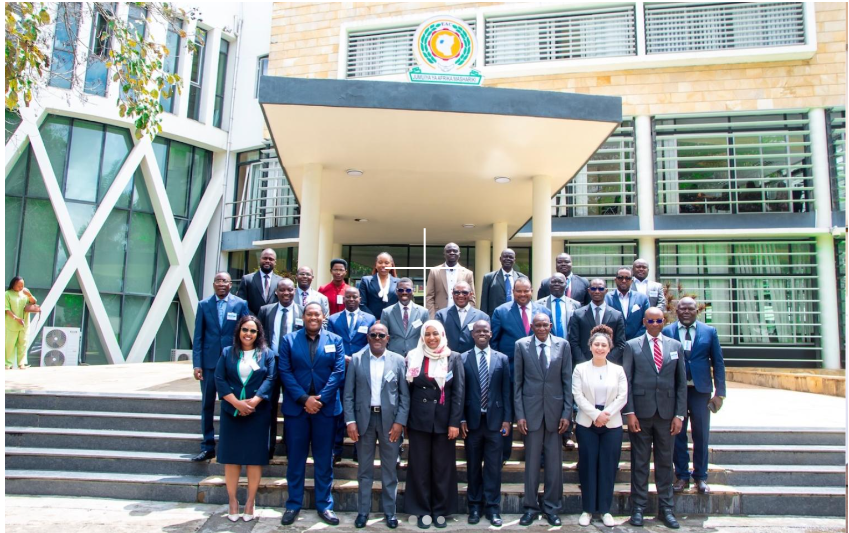
The African Union Commission (AUC) has convened a regional appraisal workshop in Eastern Africa aimed at assessing regulatory and institutional readiness for the integration of electricity markets across the continent.
The workshop forms part of broader efforts to advance Africa’s vision of a more interconnected and reliable energy system, recognizing that successful electricity integration requires not only physical infrastructure but also strong regulatory frameworks and effective institutions.
Participants examined the policies, regulations, and governance structures needed to support cross-border electricity trade and cooperation among African countries. Discussions focused on ensuring that national electricity markets are equipped to work within a larger continental framework, enabling power to be traded more efficiently across regions.
According to the African Union Commission, the initiative addresses the institutional foundations required for greater collaboration between African electricity markets. This includes strengthening regulatory coordination, harmonizing rules and standards, and improving the capacity of institutions responsible for overseeing the energy sector.
Continental electricity integration is considered a key component of Africa’s long-term development agenda. By connecting national power systems and facilitating regional energy trade, countries can improve energy security, reduce electricity shortages, optimize the use of available generation resources, and support economic growth.
The Eastern Africa appraisal workshop also provided an opportunity for stakeholders to identify existing gaps and challenges that could hinder market integration. The findings are expected to contribute to the development of strategies that will support the gradual creation of a more unified African electricity market.
The initiative aligns with wider African Union efforts to promote regional integration and strengthen infrastructure connectivity across the continent. As demand for electricity continues to grow, policymakers increasingly view cross-border cooperation in the energy sector as essential for expanding access to affordable and reliable power for households, businesses, and industries.
Through engagements such as the Eastern Africa workshop, the African Union Commission is seeking to build the regulatory and institutional foundations necessary to transform Africa’s fragmented electricity systems into a more coordinated continental network capable of supporting long-term economic development and industrialization.