
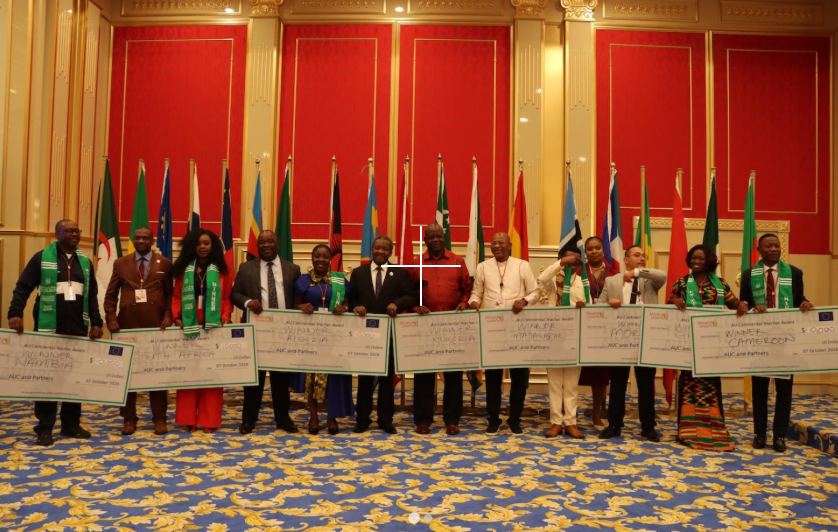
ESWATINI — The African Union Commission (AUC) and the Government of Eswatini have released the conclusions of the 2026 Pan-African Conference on Teacher Education, outlining a continental agenda aimed at strengthening teacher qualifications, improving professional development, and advancing the recognition of teaching credentials across African borders.
The conference brought together education ministers, policymakers, teacher organizations, researchers, and development partners to examine how African countries can improve the quality of teaching while building more coordinated education systems.
Among the conference’s principal outcomes was the adoption of the Eswatini Declaration, which establishes a set of commitments intended to guide future cooperation on teacher education and professional standards.
The recommendations reflect a broader ambition within the African Union to strengthen human capital development and encourage greater cooperation among its 55 member states.
Advancing a Continental Teacher Qualifications Framework
A central focus of the conference was the advancement of the Continental Teacher Qualifications Framework, an initiative intended to support greater consistency in the recognition and evaluation of teaching qualifications across African countries.
Africa’s education systems operate under different national regulations, professional certification requirements, and teacher-training structures.
These differences can create obstacles for qualified educators seeking employment or professional opportunities outside their home countries.
A continental qualifications framework could help address these challenges by establishing common reference standards while allowing governments to maintain responsibility for their national education systems.
Such an approach could also improve cooperation between teacher-training institutions, universities, professional regulatory bodies, and education ministries.
However, meaningful progress will depend on whether member states translate continental recommendations into compatible national policies and administrative procedures.
Teacher Mobility and the African Integration Agenda
The conference’s emphasis on mutual recognition of teaching qualifications carries important implications for Africa’s broader regional integration objectives.
The African Union recognizes eight Regional Economic Communities: ECOWAS, EAC, ECCAS, IGAD, SADC, COMESA, AMU, and CEN-SAD.
These regional organizations play important roles in advancing economic cooperation, institutional coordination, and the movement of people across national borders.
Improved recognition of professional qualifications could eventually make it easier for teachers to pursue opportunities in different African countries.
For example, a qualified educator trained in one member state might benefit from more transparent procedures when seeking professional recognition in another.
This could support the exchange of teaching expertise, strengthen regional educational partnerships, and help countries respond to shortages of qualified teachers.
Nevertheless, mutual recognition does not automatically establish a right to work across borders. Immigration rules, employment regulations, language requirements, and national licensing systems would still need to be addressed.
Professional Development and the Future of African Education
Another major conference priority was strengthening continuous professional development for teachers.
Education systems face evolving demands as governments seek to improve learning outcomes, expand access to quality education, and prepare students for changing labor markets.
Professional development initiatives could help educators strengthen their instructional methods, develop new technical skills, and respond to emerging educational challenges.
The conference’s recommendations also underscore the importance of investing in teachers throughout their careers rather than focusing exclusively on initial training and certification.
Effective implementation could require expanded teacher-training programs, institutional partnerships, and sustained government financing.
For African governments, the challenge will be ensuring that professional development opportunities reach educators in both urban and rural communities.
Artificial Intelligence Becomes Part of Africa’s Education Strategy
The conference also addressed the responsible use of artificial intelligence in education, reflecting growing interest in how emerging technologies could support teaching and learning.
Artificial intelligence offers potential applications in lesson preparation, educational assessment, teacher training, and access to instructional resources.
However, its introduction also raises important questions about data protection, educational equity, teacher oversight, and the reliability of AI-generated information.
For African education systems, unequal access to electricity, internet connectivity, digital devices, and technical training could complicate implementation.
The conference’s commitment to responsible AI therefore presents an opportunity for governments to develop approaches that support innovation without deepening existing educational inequalities.
The central challenge will be ensuring that technology strengthens teachers’ professional capabilities rather than replacing essential human judgment and classroom interaction.
Eswatini Declaration Establishes a Basis for Future Cooperation
The Eswatini Declaration represents a significant outcome of the conference because it brings together priorities concerning qualifications, professional development, cross-border recognition, and educational technology.
Its long-term importance, however, will depend on implementation.
African governments and relevant institutions will need to determine how the conference’s recommendations can be incorporated into national education strategies, professional standards, and regional cooperation mechanisms.
Key questions include whether governments will establish measurable implementation timelines, allocate sufficient resources, and create systems for monitoring progress.
The conference also generated interest in continuing the continental dialogue, with Zimbabwe expressing interest in hosting the 2027 Pan-African Conference on Teacher Education.
A subsequent conference could provide an opportunity to assess progress on the Eswatini Declaration and identify obstacles requiring further attention.
Why This Matters for Africa’s Integration
The 2026 Pan-African Conference on Teacher Education highlights an important dimension of African integration that extends beyond trade agreements, infrastructure development, and financial cooperation.
Education and professional mobility are also essential components of regional development.
If African countries establish more compatible systems for recognizing teacher qualifications, they could expand professional opportunities, encourage institutional cooperation, and strengthen the continent’s education workforce.
The potential benefits extend beyond individual teachers.
Students could gain access to a wider pool of qualified educators, training institutions could develop stronger cross-border partnerships, and governments could benefit from improved cooperation in education policy.
Yet the difference between continental ambition and practical achievement remains substantial.
The Eswatini Declaration provides a basis for cooperation, but it does not by itself guarantee that teachers will be able to move freely between African countries or that their qualifications will automatically be recognized.
Those outcomes will require coordinated national reforms, regulatory cooperation, and sustained political commitment.
The Bigger Question: Can Africa Turn Educational Cooperation Into Continental Integration?
Africa is undertaking an ambitious experiment: bringing 55 sovereign nations together through shared institutions, coordinated policies, and regional cooperation while preserving national sovereignty.
The effort to improve teacher mobility illustrates both the opportunities and difficulties of that undertaking.
A continental qualifications framework could help build trust between national education systems, establish more consistent professional standards, and support the exchange of knowledge across borders.
But its effectiveness will ultimately be measured by practical outcomes rather than conference declarations.
For the African Union and its member states, the question is whether the commitments made in Eswatini will produce functioning recognition arrangements, stronger teacher-development systems, and measurable improvements in educational cooperation.
The Eswatini Declaration marks another step toward greater continental coordination. The next test will be whether African governments can transform those commitments into policies that benefit teachers, students, and educational institutions across the continent.
Source basis: Information provided from the African Union Commission and Government of Eswatini’s 2026 conference conclusions. The full declaration and its implementation provisions have not been independently verified for this article.