
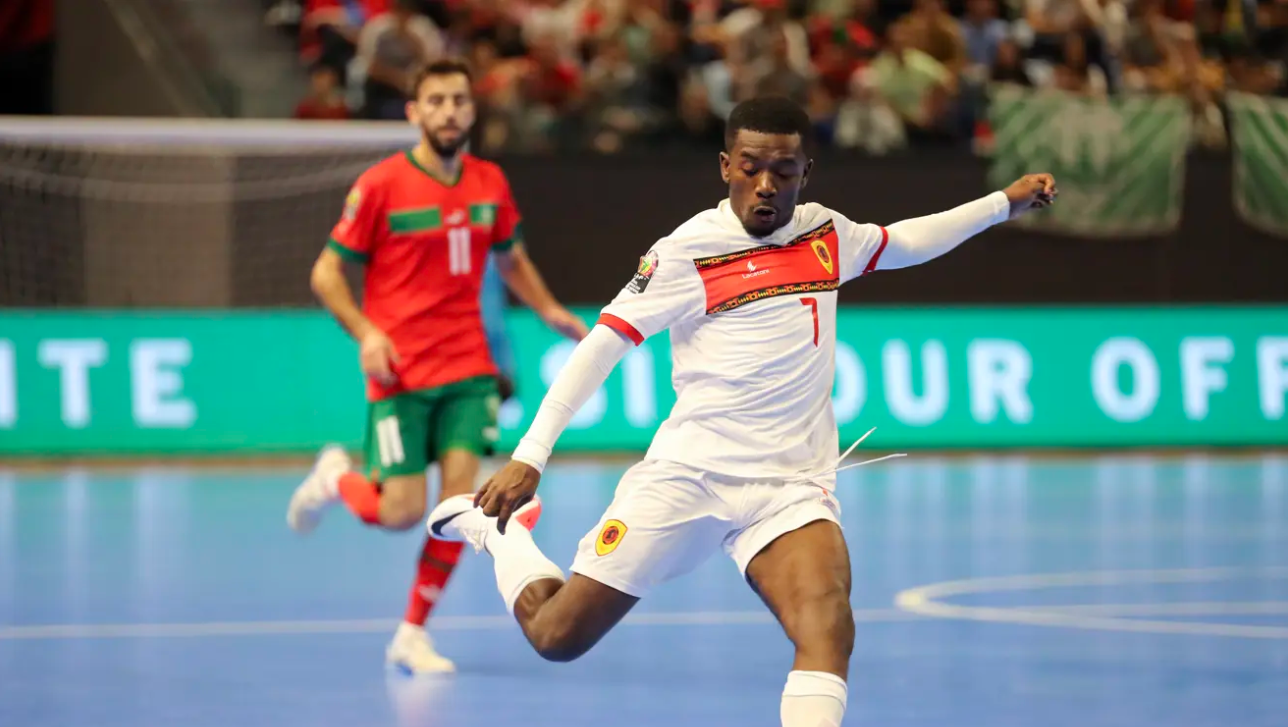
The Confederation of African Football (CAF) has released its official guide to the 2026 Futsal Africa Cup of Nations, with eight national teams preparing to compete for continental supremacy in Rabat, Morocco.
The tournament begins October 12, bringing together some of Africa’s leading futsal nations in a competition that will determine the continental champion and three qualifiers for the 2028 FIFA Futsal World Cup.
The opening fixtures feature Libya against Zambia, followed by defending champions Morocco against Algeria.
CAF has also unveiled a new trophy for the competition, marking another development in the tournament’s presentation and identity.
Morocco Begins Its Title Defense
As defending champions and tournament hosts, Morocco enters the competition with expectations of maintaining its position among Africa’s leading futsal nations.
The opening encounter against Algeria provides an immediate opportunity to assess Morocco’s preparations against regional opposition.
Meanwhile, Libya and Zambia will begin their campaigns in the tournament’s other opening fixture.
With only eight participating teams and three World Cup qualification places available, every match carries considerable importance.
The competition provides an opportunity for African national teams to demonstrate their technical development and tactical organization on the continental stage.
Three World Cup Qualification Places at Stake
Beyond the continental championship, the tournament will determine Africa’s three representatives at the 2028 FIFA Futsal World Cup.
Qualification offers participating nations an opportunity to compete internationally and measure their progress against established futsal programs from other confederations.
Strong performances could also encourage additional investment in domestic futsal competitions, coaching development and youth training programs.
For African football authorities, international qualification represents an opportunity to strengthen the continent’s presence in another major football discipline.
Why Futsal Matters for African Football Development
Futsal is played on a smaller court with five players per team, placing considerable emphasis on technical precision, close ball control and quick decision-making.
Players must operate in confined spaces, maintain possession under pressure and adapt rapidly to changing attacking and defensive situations.
These characteristics make futsal valuable as both a competitive sport and a potential development pathway for young footballers.
Expanded futsal programs could create additional opportunities for players, coaches and national associations across Africa.
However, sustainable progress will require investment in facilities, organized domestic leagues, coaching education and youth participation.
The Bigger Picture: Developing African Football Beyond the Traditional Game
The 2026 Futsal Africa Cup of Nations also raises broader questions about the diversification of football development across the continent.
While traditional eleven-a-side football receives the greatest attention, futsal and other football disciplines offer additional opportunities for participation and international competition.
CAF’s continued organization of continental futsal competitions provides a platform for national associations to develop these programs.
The central question is whether African countries can transform continental tournament participation into stronger domestic futsal structures and long-term player development.
Conclusion
The opening of the 2026 Futsal Africa Cup of Nations in Rabat marks another opportunity to showcase African football talent.
With eight teams competing, a new championship trophy and three places at the 2028 FIFA Futsal World Cup at stake, the tournament carries significance beyond the continental title.
For African football, success should be measured not only by which country lifts the trophy, but also by whether the competition contributes to stronger futsal leagues, better coaching and expanded opportunities for future generations.