
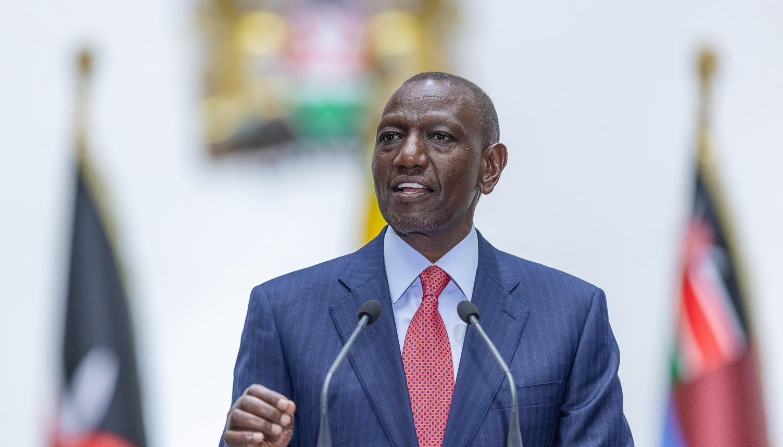
NAIROBI, Kenya — President William Samoei Ruto has called for a nationwide dialogue to develop Kenya’s next long-term development blueprint, marking the beginning of a process to design a successor to the country’s Vision 2030 strategy.
According to an official announcement from the Presidency, the proposed initiative will bring together citizens, civil society organizations, the private sector, academia, professional associations and other organized groups to help define Kenya’s long-term national priorities beyond the Vision 2030 framework.
President Ruto emphasized that the new development strategy should reflect the aspirations of all Kenyans and provide a shared roadmap for the country’s economic and social transformation over the coming decades. The consultation process is expected to encourage broad public participation, ensuring that diverse perspectives contribute to shaping the nation’s future.
Since its launch in 2008, Kenya Vision 2030 has served as the country’s principal long-term development framework, guiding policies aimed at transforming Kenya into a globally competitive, middle-income economy through investments in infrastructure, education, healthcare, technology and industrial development.
As Vision 2030 approaches the final years of its implementation, the government is seeking to establish a new strategic framework that builds on past achievements while addressing emerging challenges and opportunities. Officials expect the successor plan to outline priorities for sustainable economic growth, job creation, industrialization, innovation, environmental sustainability and improved public service delivery.
The national dialogue is also expected to examine how Kenya can strengthen its competitiveness, expand economic opportunities for young people, improve regional development and attract greater domestic and international investment.
Government officials said the consultative process is intended to foster national ownership of the next development agenda by ensuring that the voices of communities, businesses and institutions are reflected in the country’s long-term planning.
Once completed, the new strategy is expected to provide guidance for future government policies, public investment decisions and development partnerships, helping shape Kenya’s economic and social trajectory for years to come.
Why it matters: Kenya’s next long-term development strategy will play a critical role in guiding national policy beyond Vision 2030. The new framework is expected to influence infrastructure development, industrialization, employment, education, innovation and public investment, providing a roadmap that could shape the country’s economic growth and development priorities for decades to come.