
PRETORIA, South Africa — August 19, 2026 — South Africa and Zimbabwe are preparing for a major round of high-level talks aimed at strengthening political and economic cooperation between the neighboring Southern African countries.
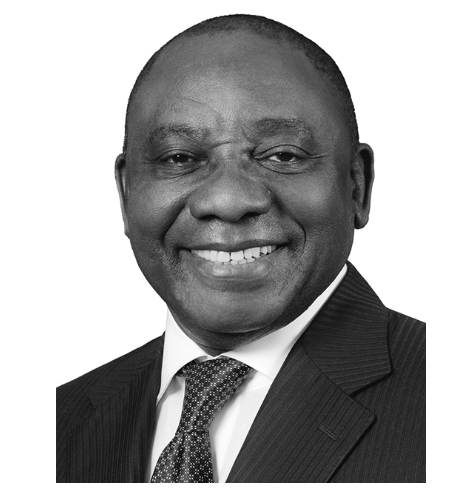
South African President Cyril Ramaphosa will host Zimbabwean President Emmerson Mnangagwa in Pretoria on Friday, August 21, for the Fourth Session of the South Africa–Zimbabwe Bi-National Commission (BNC). The commission, established in April 2015, serves as the central mechanism for managing and advancing relations between the two countries.
According to the South African Presidency, South Africa and Zimbabwe have already concluded more than 33 agreements and memoranda of understanding covering different areas of cooperation. The upcoming meeting will allow the two presidents to assess progress on existing commitments while identifying new areas where their governments can work together.
Discussions are expected to focus heavily on trade and investment, infrastructure, economic development and other areas supporting shared growth. South Africa’s Department of International Relations and Cooperation has also identified political cooperation, energy, migration and security among the areas receiving attention during the broader BNC process.
The presidential meeting will be the culmination of several days of diplomatic discussions. Senior officials from the two countries met on Tuesday, August 18, while a ministerial meeting is scheduled for Thursday, August 20. Ramaphosa and Mnangagwa will then lead the Heads of State meeting at the OR Tambo Building in Pretoria beginning at 8:00 a.m. Friday.
Several new agreements and memoranda of understanding are expected to be signed at the conclusion of the presidential session, potentially expanding cooperation in strategic sectors.
Regional Integration Significance
The meeting carries importance beyond bilateral relations. South Africa and Zimbabwe are neighboring members of the Southern African Development Community (SADC), making cooperation between the two countries important to wider regional objectives involving trade, infrastructure connectivity, movement of people, energy and economic integration.
Stronger coordination between Pretoria and Harare could therefore contribute to efforts to reduce barriers between Southern African economies and improve the movement of goods, services and investment across the region.
For ordinary citizens, the significance of the commission will ultimately depend on whether agreements reached by the two governments translate into practical improvements — including increased trade, infrastructure development, investment opportunities, employment and more efficient cross-border movement.
The August 21 meeting will provide an important indication of how South Africa and Zimbabwe intend to turn their longstanding political relationship into deeper economic cooperation at a time when Southern Africa is seeking stronger regional integration and shared development.