
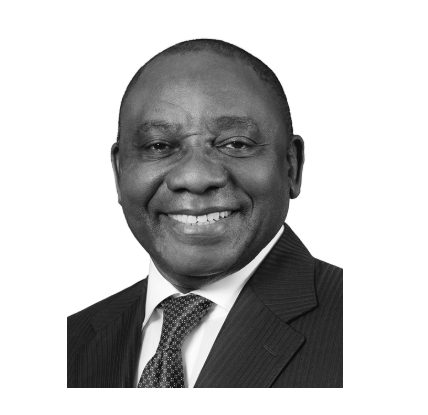
PRETORIA, South Africa — South African President Cyril Ramaphosa has announced two significant initiatives aimed at strengthening national governance, appointing members to the country’s first statutory National Council on Gender-Based Violence and Femicide (NCGBVF) while endorsing a major milestone in the reform of the nation’s electricity transmission sector.
The announcements reflect the government’s continued efforts to address two of South Africa’s most pressing challenges: combating gender-based violence and modernizing the country’s electricity infrastructure.
National Council on Gender-Based Violence and Femicide Formally Established
In an official statement, President Ramaphosa appointed members of the National Council on Gender-Based Violence and Femicide to serve three-year terms from August 1, 2026, through July 31, 2029.
The newly constituted council is a statutory body established to provide strategic national leadership in the fight against gender-based violence and femicide. Its responsibilities include coordinating government departments, civil society organizations, the private sector and other stakeholders to ensure the effective implementation of policies and programs designed to prevent violence against women and vulnerable populations.
The council will also monitor progress, strengthen cooperation among institutions and promote accountability in implementing South Africa’s National Strategic Plan on Gender-Based Violence and Femicide.
Government officials said the establishment of the council marks an important institutional development by replacing temporary coordination structures with a legally mandated body that has clearly defined responsibilities and long-term oversight.
The move reflects South Africa’s commitment to building a coordinated national response to gender-based violence, an issue that has remained a major social and public safety concern for many years.
Government Advances Electricity Transmission Reform
In a separate development, President Ramaphosa endorsed the first-phase report outlining the establishment of an independent Transmission System Operator (TSO), a key component of South Africa’s broader electricity reform agenda.
The proposed reforms are intended to modernize the management of the national electricity transmission network by strengthening or separating transmission functions from electricity generation and distribution activities.
Officials believe an independent transmission operator will play a central role in expanding access to the national power grid, facilitating greater private-sector investment in renewable energy and improving competition within South Africa’s electricity market.
The reform is also expected to reduce pressure on the state-owned utility Eskom by creating a more efficient and transparent framework for managing electricity transmission infrastructure.
As South Africa continues to expand renewable energy generation, an independent transmission system is expected to improve the integration of new power producers into the national grid while enhancing system reliability and supporting long-term energy security.
The electricity reform forms part of broader government efforts to stabilize the country’s energy sector, improve electricity availability and support sustainable economic growth.
Why it matters: The establishment of the National Council on Gender-Based Violence and Femicide represents a significant shift from temporary coordination mechanisms to a permanent statutory institution responsible for overseeing policy implementation, strengthening accountability and coordinating national efforts to combat gender-based violence. At the same time, progress toward an independent Transmission System Operator is a major step in modernizing South Africa’s electricity sector, improving grid access, supporting renewable energy integration, reducing pressure on Eskom and enhancing the country’s long-term energy reliability.