
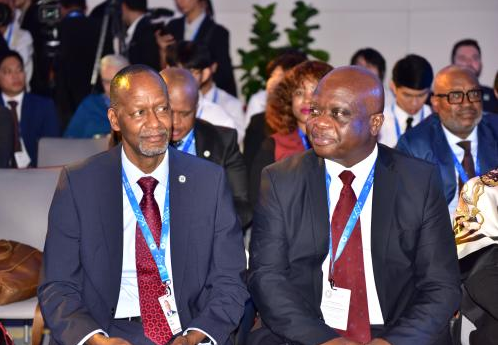
Southern African Development Community (SADC) Executive Secretary Elias Magosi participated in discussions on artificial intelligence, employment and economic development during the 2026 International Monetary Fund (IMF) and World Bank Annual Meetings in Bangkok, Thailand.
The discussions focused on how developing economies can adopt practical artificial intelligence technologies to improve productivity, encourage entrepreneurship and strengthen industrial competitiveness without requiring extremely expensive technological infrastructure.
Participants examined opportunities for AI applications in agriculture, manufacturing, education and business operations, emphasizing the importance of making emerging technologies accessible to developing countries.
Artificial Intelligence and Industrial Development
Artificial intelligence offers opportunities for Southern African economies to improve agricultural productivity, streamline manufacturing processes and strengthen business efficiency.
In agriculture, AI-powered tools could help farmers monitor crop conditions, improve resource management and anticipate production challenges.
Manufacturers could use automation and data analysis to improve production efficiency, while educational institutions could adopt digital learning technologies to strengthen technical training.
However, realizing these benefits will require investment in reliable electricity, digital connectivity and workforce development.
Preparing Workers for Technological Change
The discussions also addressed concerns about job displacement as automation becomes increasingly integrated into economic activities.
While artificial intelligence could create new business opportunities, it may also reduce demand for certain traditional occupations.
Preparing young people for these changes will require stronger technical education, digital literacy programmes and entrepreneurship support.
For SADC member states, the challenge is ensuring that technological advancement creates economic opportunities rather than widening existing inequalities.
AI and Southern Africa’s Regional Integration
Artificial intelligence could also support SADC’s broader industrialization and regional integration objectives.
Improved productivity, stronger digital infrastructure and greater technological cooperation could help Southern African businesses compete in regional and international markets.
Coordinated regional approaches to digital skills, innovation and technology adoption may allow member states to share expertise and reduce implementation costs.
The central question is whether Southern African countries can make artificial intelligence accessible enough to strengthen industries, create employment and support inclusive economic growth.