
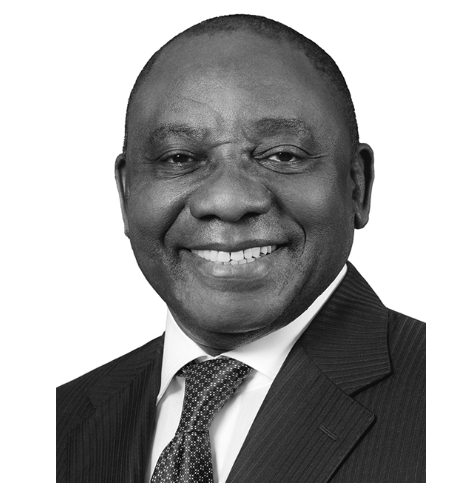
CAPE TOWN, South Africa — August 25, 2026 — South African President Cyril Ramaphosa is scheduled to appear before the National Assembly today to provide updates on two increasingly important national challenges: migration-related tensions and protest activity, and the country’s ongoing water crisis.
The parliamentary appearance is expected to allow lawmakers to question the president about the government’s response to tensions involving migration and the measures being implemented under the National Water Crisis Action Plan.
Migration remains a sensitive issue in South Africa, which attracts workers, refugees, asylum seekers and other migrants from across the African continent. Economic pressures, unemployment and competition for services have contributed at times to tensions within communities and protests related to immigration.
The issue also has a significant regional integration dimension. South Africa is a major economic center within the Southern African Development Community (SADC), and the movement of people across borders is closely connected to regional trade, employment and economic opportunities.
How South Africa manages migration therefore has implications beyond its domestic politics. Policies must balance enforcement of national immigration laws with public safety, human rights and the country’s relationships with neighboring African states.
At the same time, Ramaphosa is expected to address interventions aimed at confronting persistent problems with water infrastructure and municipal water services.
Recurring water interruptions and deteriorating infrastructure have become more than a public-service concern. Reliable water supplies are essential for households, hospitals, agriculture, manufacturing and businesses, meaning prolonged failures can have broader consequences for public health and economic growth.
The government’s National Water Crisis Action Plan is intended to strengthen the response to these challenges and improve the reliability of water services.
The parliamentary discussion comes as Ramaphosa is also emphasizing infrastructure investment at the 5th Sustainable Infrastructure Development Symposium of South Africa in Cape Town. Together, the two events highlight the connection between national policy, municipal capacity and infrastructure investment.
From a regional perspective, both migration and water security demonstrate why domestic challenges increasingly require cooperation beyond national borders. Southern African economies and communities are interconnected through migration, shared water resources, trade and infrastructure.
Ramaphosa’s appearance before Parliament will therefore be closely watched for details on how his government intends to manage immediate domestic pressures while maintaining South Africa’s wider commitments to stability, development and regional cooperation.