
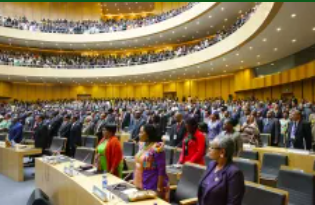
ADDIS ABABA, Ethiopia — August 25, 2026 — The African Union is preparing for the 21st Extraordinary Session of the Assembly, scheduled for August 29–30 in Luanda, Angola, with African leaders expected to focus specifically on strengthening the continent’s mechanisms for preventing and resolving conflicts.
The extraordinary summit comes as persistent conflicts and political instability continue to challenge Africa’s development and integration ambitions. The discussions are expected to place renewed attention on how African institutions and governments can improve conflict prevention, mediation and resolution.
Peace and security are central to the AU’s Agenda 2063, which envisions a peaceful, secure and increasingly integrated continent. Without stability, many of Africa’s economic and development initiatives become significantly more difficult to implement.
Conflict can disrupt transportation corridors, close borders, displace communities and discourage investment. It can also interfere with the movement of workers and goods between countries, directly affecting regional economic integration.
These challenges have particular implications for the African Continental Free Trade Area (AfCFTA). Expanding intra-African commerce depends on predictable borders, functioning infrastructure, secure trade routes and confidence among businesses and investors.
The Luanda meeting therefore highlights the close relationship between peace, security and economic integration. Africa cannot fully develop a continental market if conflict continues to interrupt the physical and institutional connections required to make that market function.
Preparations for the summit also follow recent AU activity surrounding the Great Green Wall Initiative Strategy 2024–2034, which seeks to scale continental cooperation around land restoration, climate resilience and sustainable development.
The two agendas are increasingly interconnected. Environmental degradation, competition over natural resources and climate pressures can contribute to displacement and instability, particularly in already vulnerable regions. Addressing those pressures alongside traditional peace and security mechanisms could strengthen long-term conflict prevention.
The August 29–30 extraordinary session provides African leaders with another opportunity to examine whether existing continental mechanisms are sufficiently equipped to prevent crises before they escalate and to support African-led solutions when conflicts emerge.
For the African Union, the stakes extend well beyond security. Peace is part of the infrastructure of integration. Without it, trade corridors, investment, free movement and continental development projects remain vulnerable.
The Luanda summit will therefore be an important test of how Africa intends to connect its peace and security architecture with the wider goal of building the integrated and prosperous continent envisioned under Agenda 2063.