
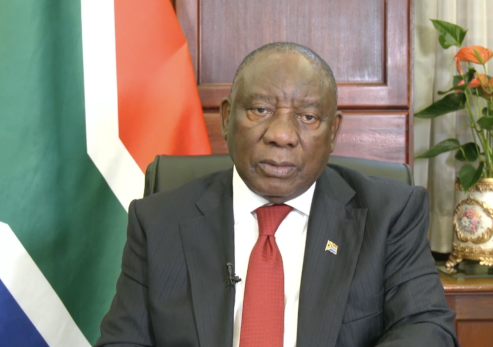
CAPE TOWN, South Africa — August 25, 2026 — South African President Cyril Ramaphosa is using the 5th Sustainable Infrastructure Development Symposium of South Africa in Cape Town to emphasize the importance of infrastructure investment as the country seeks to strengthen municipalities, attract financing and support long-term economic growth.
The symposium brings together government officials and other stakeholders to focus on several critical development areas, including municipal infrastructure, sustainable financing, digital infrastructure, agriculture and housing.
Municipal infrastructure is a particularly important part of the discussions. Communities and businesses depend on reliable water systems, electricity networks, roads and other local services, but infrastructure weaknesses have increasingly become a constraint on economic activity and quality of life in parts of the country.
The government is seeking to mobilize additional financing for infrastructure while connecting investment decisions with South Africa’s broader development priorities.
That approach includes aligning infrastructure development with the country’s National Development Plan as well as the United Nations Sustainable Development Goals, which include targets covering clean water, sustainable cities, energy, economic growth and resilient infrastructure.
Digital infrastructure is another important component. Expanded connectivity can support businesses, government services, education and innovation, while infrastructure investment in agriculture can improve productivity and strengthen food supply chains.
Housing development also remains closely connected to the municipal infrastructure challenge. Building homes without adequate water, sanitation, electricity, roads and transportation can place additional pressure on municipalities, making coordinated infrastructure planning essential.
The symposium also carries significance for African regional integration. South Africa is one of the continent’s largest economies and an important member of the Southern African Development Community (SADC). Its ports, roads, energy systems and logistics networks support trade routes serving several neighboring countries.
Improving South Africa’s infrastructure can therefore have consequences beyond its borders. More reliable transportation, energy and digital networks could strengthen regional supply chains and support greater movement of goods and services across Southern Africa.
The Cape Town discussions reinforce a broader development principle: regional and continental integration ultimately depends on functioning infrastructure at the national and local levels.
For South Africa, attracting sustainable investment while improving municipal services could help address immediate domestic challenges while strengthening the country’s role in an increasingly connected Southern African economy.