
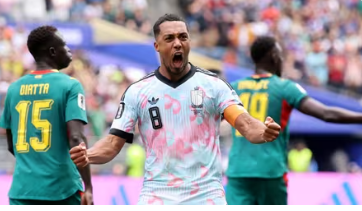
Belgium coach Rudi Garcia’s remarks that Senegal is one of “those teams” that “tend to lose their tactical structure towards the end of the match” have generated intense debate during the FIFA World Cup. Some have interpreted his words as a straightforward football analysis, while others see them as an example of racially coded language that reinforces long-standing stereotypes about African teams.
There is merit in understanding both perspectives.
From a purely footballing standpoint, coaches routinely analyze their opponents’ strengths and weaknesses. If Garcia genuinely believes Senegal has a tendency to lose tactical discipline late in matches, he is entitled to say so. Preparing for an opponent requires identifying patterns, and every national team is scrutinized in similar ways. European, South American, and Asian teams are all criticized for tactical shortcomings, defensive lapses, or mental fragility when the evidence supports such assessments.
At the same time, it is understandable why many people, particularly Africans, found the comments troubling. African teams have historically been subjected to broad generalizations that portray them as athletic but tactically inferior or mentally weak. Even when such remarks are intended as football analysis, they can echo stereotypes that have been used for decades to diminish the achievements of African football.
Context matters.
As someone who closely follows African football, I watched Senegal’s defeat to Belgium with disappointment. After that match, I produced a video on my YouTube channel in which I argued that Africans need to have an honest conversation about our mentality in crucial moments of major tournaments. My point was not to criticize African players unfairly but to encourage improvement.
It is painful to watch talented African teams lose matches in the dying minutes after competing so well for most of the game. Too often, we have seen African nations concede late goals, lose concentration under pressure, or fail to manage matches when victory or a draw is within reach. These moments have cost African teams opportunities to make deeper runs in international tournaments.
That does not mean every African team suffers from the same problem, nor does it mean such lapses are unique to Africa. Teams from every continent have collapsed late in matches. Football history is filled with examples of elite European and South American sides surrendering leads in dramatic fashion.
However, if repeated late-game setbacks become a pattern for certain teams, discussing them should not automatically be dismissed as prejudice. Honest analysis is an essential part of improving performance.
The challenge is ensuring that criticism remains specific and evidence-based rather than becoming a sweeping judgment about African football as a whole.
Garcia could have framed his observation more carefully by focusing specifically on Senegal’s recent performances instead of wording that some interpreted as applying broadly to “those teams.” Precision in language matters, especially at an event as visible as the World Cup, where comments are examined through both sporting and social lenses.
Likewise, those defending Senegal should not reject every criticism simply because it comes from a European coach. Constructive criticism can be valuable when it is supported by facts and intended to improve the game.
African football has made remarkable progress over the past two decades. More African players are starring for Europe’s biggest clubs than ever before, coaching standards continue to improve, and several national teams have demonstrated they can compete with the world’s elite. The next step is developing the consistency, game management, and mental resilience required to finish matches against top opponents.
Ultimately, this debate should not be about choosing between calling Garcia racist or declaring his critics overly sensitive. It should be about recognizing that words carry historical weight while also acknowledging that football analysis has a legitimate place in public discourse.
If African football is to continue growing, we should be willing to confront uncomfortable truths about performances on the field while remaining vigilant against stereotypes that unfairly define an entire continent. Both principles can coexist, and embracing both is far more productive than reducing the discussion to accusations alone.