
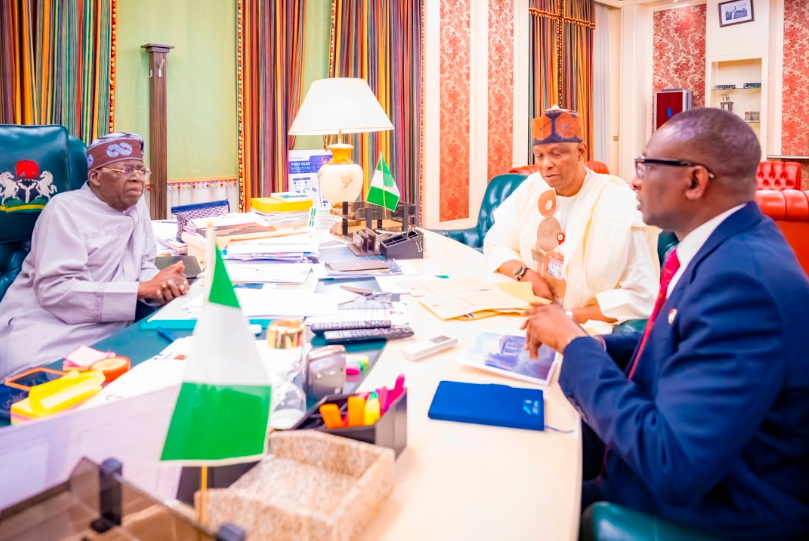
ABUJA, Nigeria — August 19, 2026 — Nigeria is moving to strengthen transparency and accountability in the management and disposal of houses seized by the government as part of its anti-corruption and asset-recovery efforts.
According to information released by the Nigerian State House, President Bola Tinubu met with Economic and Financial Crimes Commission (EFCC) Chairman Ola Olukoyede and Housing Minister Muttaqha Rabe Darma to discuss the management and disposal of seized residential properties across the country.
The discussions focused on ensuring that recovered properties are handled under clear transparency and accountability rules, an important part of protecting the integrity of Nigeria’s wider asset-recovery system.
From Asset Seizure to Accountable Management
Seizing property connected to corruption or other financial crimes is only one stage of the asset-recovery process. Governments must also determine how confiscated assets will be valued, managed, transferred or sold.
Without transparent procedures, the disposal stage can itself create opportunities for corruption, favoritism or the undervaluation of public assets.
The involvement of both the EFCC and the Housing Ministry indicates an effort to coordinate anti-corruption enforcement with the government’s management of recovered housing assets.
A transparent system could help ensure that seized properties are properly documented, independently valued where necessary, and disposed of according to established government procedures.
Public Confidence Remains Key
For ordinary Nigerians, the issue extends beyond the houses themselves. Recovered assets represent resources that should ultimately benefit the public rather than return to private interests through poorly monitored disposal processes.
Clear information about how properties are valued, who is eligible to acquire them, and how proceeds are accounted for could strengthen public confidence in Nigeria’s anti-corruption campaign.
The Tinubu administration’s latest discussions therefore highlight an important principle of asset recovery: success should not be measured simply by how much property the government confiscates, but also by how transparently recovered assets are managed afterward.
Effective oversight of seized houses could help Nigeria demonstrate that the fight against corruption continues from the initial investigation and seizure through the final management or disposal of recovered property.