
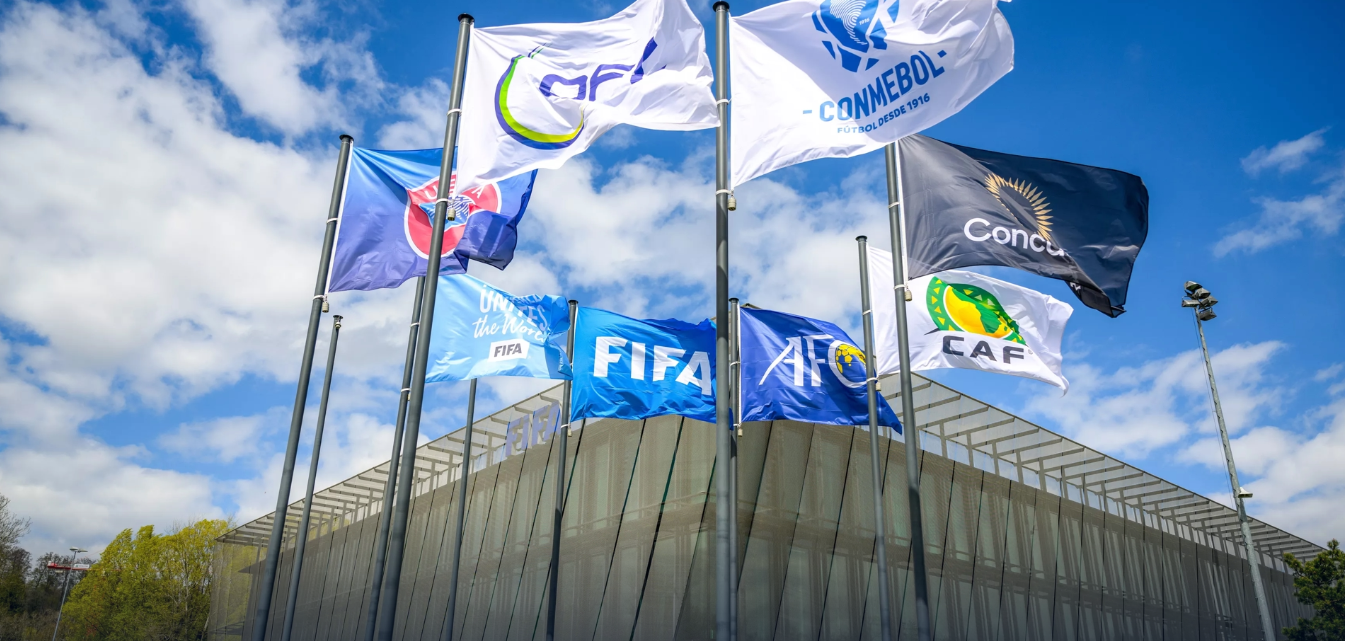
NYON/ZURICH — FIFA has withdrawn a controversial proposal to transfer ownership interests in the World Cup and other competitions to private investors following strong opposition from UEFA and its 55 national football associations.
The dispute represented one of the most serious confrontations between world football’s governing body and its most powerful continental confederation in recent history.
UEFA Rejects Private Ownership of FIFA Competitions
On July 30, UEFA and all 55 of its national associations issued a joint statement rejecting FIFA’s plan. UEFA argued that the World Cup is a global sporting legacy created by generations of players, national teams and supporters and should not be treated as a private investment product.
The European associations also criticized the process through which the proposal was developed, alleging that it proceeded without adequate consultation. They warned that they would not participate in FIFA competitions if the plan moved forward.
Such a withdrawal could have had enormous consequences for the World Cup and other international tournaments. European national teams account for many of football’s most commercially valuable markets, leading players and historically successful countries.
On August 1, however, UEFA announced that FIFA had withdrawn the proposal. UEFA welcomed the decision while calling for greater transparency and accountability regarding future changes affecting the ownership and governance of international football competitions. UEFA’s withdrawal announcement
FIFA Presented Plan as an Opportunity for Growth
FIFA President Gianni Infantino had presented the proposed creation of a new commercial subsidiary as an opportunity to increase football revenues and development funding.
Under the proposal, FIFA Forward Enterprise would seek outside investment to unlock greater commercial value from FIFA competitions. FIFA said the initiative could increase development funding for its 211 member associations and support infrastructure, coaching, national teams, grassroots programs and women’s football.
FIFA proposed raising as much as $4.2 billion in initial capital based on an implied valuation of approximately $20 billion. It maintained that the financial benefits would be reinvested in football. FIFA’s official proposal
Opponents, however, argued that allowing investors to acquire ownership interests in FIFA competitions could give private financial interests influence over tournament revenues, commercial rights and long-term decision-making.
Although FIFA’s withdrawal has prevented an immediate rupture, the confrontation has raised broader questions about transparency, consultation and who should control the commercial value generated by international football.
UEFA Club Qualifying Competitions Move Forward
The dispute unfolded as clubs across Europe completed the second qualifying rounds of the UEFA Champions League, Europa League and Conference League.
Several clubs produced dramatic comebacks and achieved important competitive milestones as they advanced toward the league phases. Qualification carries major sporting and financial benefits, including prize money, global exposure, broadcasting revenue and increased commercial opportunities.
The play-off draws for all three competitions are scheduled for Monday, August 3. Champions League third-qualifying-round matches begin August 4 and 5, while Europa League and Conference League third-round matches begin August 6. UEFA Champions League schedule
The qualifying rounds are particularly important for clubs from smaller European leagues, where advancement can provide revenue capable of transforming a club’s finances and strengthening its domestic competition.
Football Mourns Franco Baresi
European football is also mourning the death of former Italy and AC Milan captain Franco Baresi at age 66.
Widely regarded as one of football’s greatest defenders, Baresi spent his entire senior playing career with AC Milan. He captained the club during one of the most successful periods in its history, winning six Serie A championships and three European Cups.
Baresi became known for his positioning, leadership, tactical intelligence and ability to organize the defense. His performances helped redefine the role of the modern central defender and made him a symbol of Italy’s celebrated defensive tradition.
UEFA President Aleksander Čeferin described Baresi as an exceptional leader whose dignity, humility and integrity matched his accomplishments on the field. UEFA’s tribute to Franco Baresi