
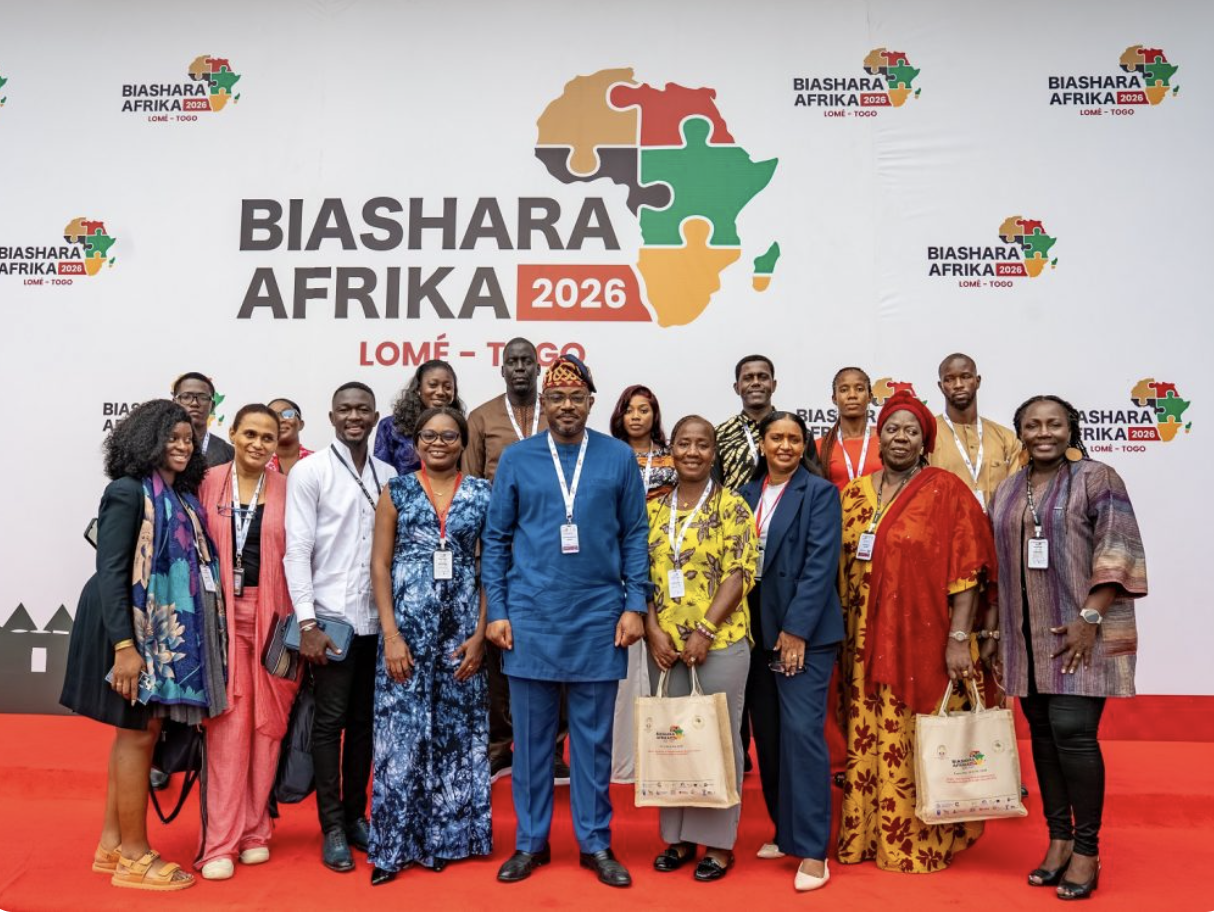
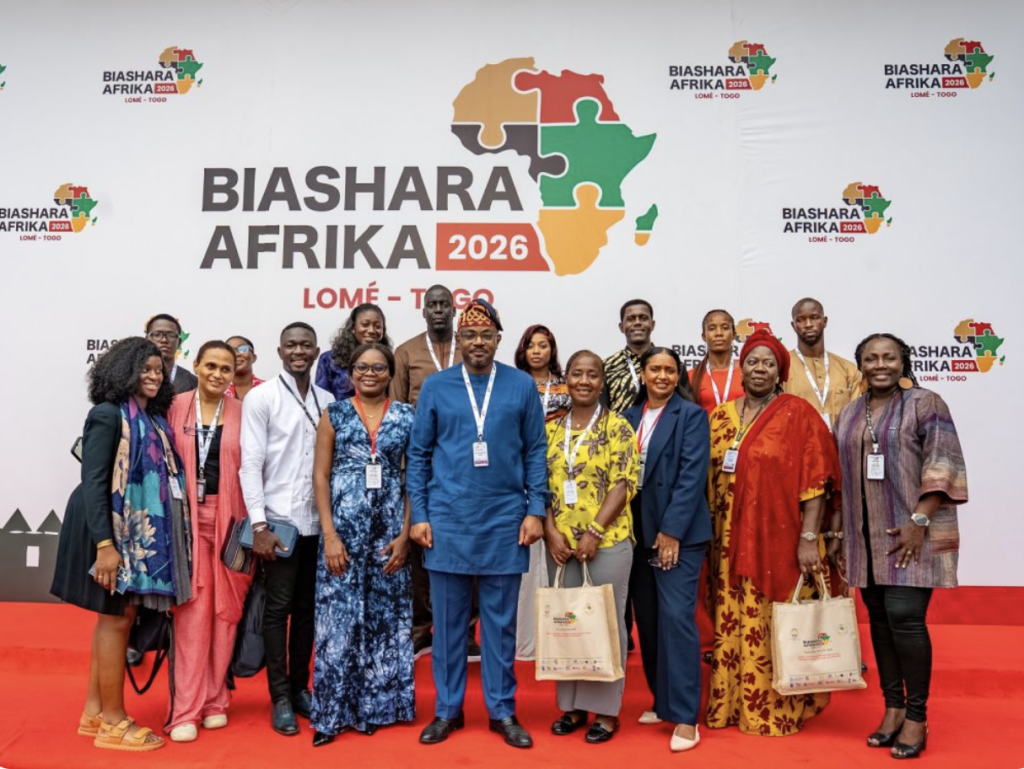
August 20, 2026 — The Economic Community of West African States (ECOWAS) is using its participation in Biashara Afrika 2026 to help small and medium-sized enterprises across West Africa become better prepared to take advantage of opportunities created by the African Continental Free Trade Area (AfCFTA).
ECOWAS says its involvement in the continental business gathering is focused on moving regional integration beyond policy discussions by connecting West African businesses with potential buyers, partners and markets across Africa.
The initiative builds on an export-readiness programme held earlier this year in Freetown, Sierra Leone, where businesses received support aimed at strengthening their ability to participate in regional and continental trade.
At Biashara Afrika 2026, that effort is being expanded through business networking and market-linkage opportunities, giving participating SMEs a chance to develop commercial relationships beyond their national borders.
Turning AfCFTA Into Real Business
The AfCFTA is designed to create a more integrated African market by reducing barriers to trade among participating countries. But the success of the agreement will depend heavily on whether African businesses—particularly smaller companies—can actually use the opportunities it creates.
For many SMEs, challenges such as meeting product standards, understanding export requirements, finding reliable buyers, accessing financing and navigating cross-border procedures can make continental trade difficult.
ECOWAS’ approach seeks to help close that gap by preparing businesses for export while also connecting them directly with wider African markets.
For ordinary entrepreneurs, this is where African integration can become more practical. A small producer in West Africa gaining access to customers elsewhere on the continent could mean increased sales, expanded production and new jobs at home.
ECOWAS’ participation in Biashara Afrika 2026 therefore represents more than attendance at a continental trade event. It is part of the broader effort to ensure that the AfCFTA becomes a working marketplace for African businesses, including the small and medium-sized enterprises that form an important part of West Africa’s economy.
If initiatives like these successfully turn networking into actual contracts and cross-border sales, they could provide one of the clearest examples of how African economic integration can directly benefit businesses and communities.