
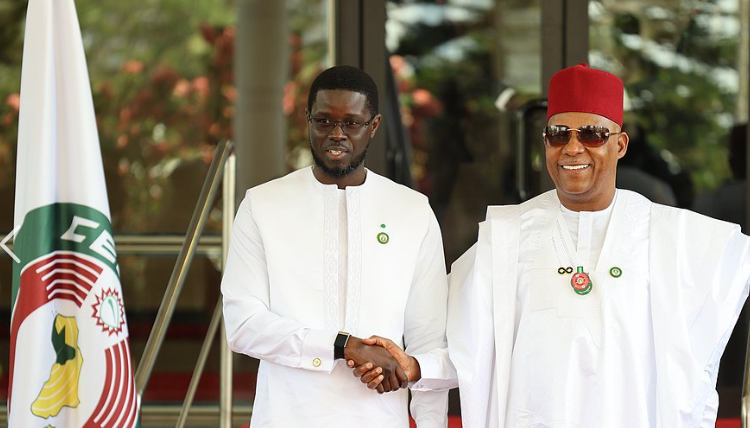
DAKAR, Senegal — The Economic Community of West African States (ECOWAS) has brought together experts, senior officials, and government ministers in Dakar, Senegal, for a series of high-level meetings aimed at strengthening regional cooperation on sports, youth development, and volunteerism.
The meetings, taking place from 27–31 July 2026, are expected to culminate in the adoption of regional policies designed to expand opportunities for young people, promote social inclusion, and enhance collaboration among ECOWAS member states.
Participants are reviewing policy frameworks that seek to harness the potential of West Africa’s growing youth population by encouraging greater participation in sports, civic engagement, skills development, and volunteer service.
Investing in West Africa’s Largest Resource
With more than half of West Africa’s population under the age of 25, youth development has become one of ECOWAS’ most strategic priorities.
Regional leaders increasingly view young people not only as beneficiaries of public policy but also as drivers of economic growth, innovation, entrepreneurship, and regional integration.
The Dakar meetings are expected to explore ways of creating more opportunities for education, employment, leadership development, and cross-border cooperation while encouraging greater participation by young people in community service and nation-building initiatives.
Officials also aim to strengthen collaboration among member states by sharing best practices and developing coordinated regional strategies that can be implemented across the ECOWAS community.
Sports as a Tool for Development
Sports have emerged as an increasingly important pillar of ECOWAS’ regional development agenda.
Beyond athletic competition, policymakers recognize sport as a powerful tool for promoting peace, improving public health, creating employment opportunities, and strengthening social cohesion among diverse communities.
Regional sports initiatives also help foster cultural exchange and reinforce a shared West African identity by bringing together young people from different countries through competition, education, and community engagement.
Officials believe that greater investment in sports infrastructure, coaching, youth programs, and regional competitions can contribute to economic development while reducing social exclusion and encouraging positive youth participation.
Expanding Volunteerism Across the Region
Volunteerism is another key focus of the meetings.
ECOWAS is seeking to strengthen volunteer programs that encourage young people to contribute to community development, humanitarian assistance, environmental protection, education, and public health initiatives throughout the region.
By promoting volunteerism, the regional bloc hopes to cultivate civic responsibility, leadership skills, and regional solidarity while addressing local development challenges through community-based action.
Why This Matters
The Dakar meetings reflect ECOWAS’ growing recognition that sustainable development depends not only on economic policies but also on investing in people—particularly the region’s youth.
As West Africa continues to experience rapid population growth, expanding opportunities for education, employment, entrepreneurship, sports, and civic engagement will be essential for long-term stability and prosperity.
The regional policies expected to emerge from the meetings are intended to strengthen cooperation among ECOWAS member states while supporting broader continental objectives under the African Union’s Agenda 2063 and the African Continental Free Trade Area (AfCFTA).
By placing youth, sports, and volunteerism at the center of its regional agenda, ECOWAS aims to build a more inclusive, resilient, and integrated West Africa where young people play a leading role in shaping the region’s future.
As deliberations continue through the end of the week, member states are expected to adopt recommendations that will guide future regional cooperation and reinforce ECOWAS’ commitment to empowering the next generation of West African leaders.