
The Economic Community of West African States (ECOWAS) has announced the adoption of three regional strategies aimed at strengthening animal health, protecting livestock populations and improving food security across West Africa.
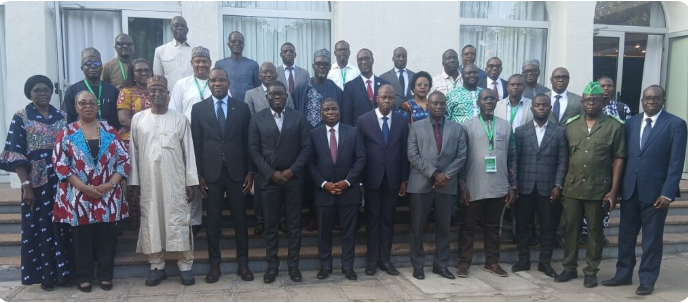
The decisions were reached during a ministerial meeting in Lomé, Togo, where officials emphasized the importance of coordinated action against animal diseases and threats to livestock production.
The first strategy focuses on the protection and conservation of donkeys through 2030, including measures to combat the trade in donkey skins, which threatens animal populations and rural livelihoods.
The second establishes a regional framework for preventing and controlling foot-and-mouth disease from 2027 to 2031, while the third targets avian influenza prevention and control during the same period.
Strengthening Regional Disease Prevention
ECOWAS ministers emphasized the need for stronger disease surveillance, vaccination programmes, veterinary coordination and information sharing among member states.
The ECOWAS Regional Animal Health Centre will play a central role in coordinating implementation and supporting cooperation between national veterinary authorities.
Because animal diseases can spread across borders through livestock movement and agricultural trade, coordinated regional responses are essential to reducing outbreaks and limiting economic damage.
Protecting Agriculture and Regional Trade
Livestock production supports millions of rural households across West Africa, providing income, employment and essential food supplies.
Outbreaks of foot-and-mouth disease and avian influenza can disrupt agricultural production, restrict cross-border trade and contribute to rising food prices.
The newly adopted strategies seek to reduce these risks while strengthening the resilience of regional livestock systems.
Their success will depend on sustained financing, effective veterinary services and consistent implementation by participating countries.
A Step Toward Stronger Regional Food Security
The ECOWAS initiative reflects a broader effort to address agricultural challenges through regional cooperation rather than isolated national responses.
By improving disease prevention and protecting livestock resources, the organization aims to strengthen food security, safeguard rural livelihoods and support agricultural trade.
The key challenge will be ensuring that these regional strategies produce measurable improvements in animal health, disease control and livestock productivity across West Africa.