
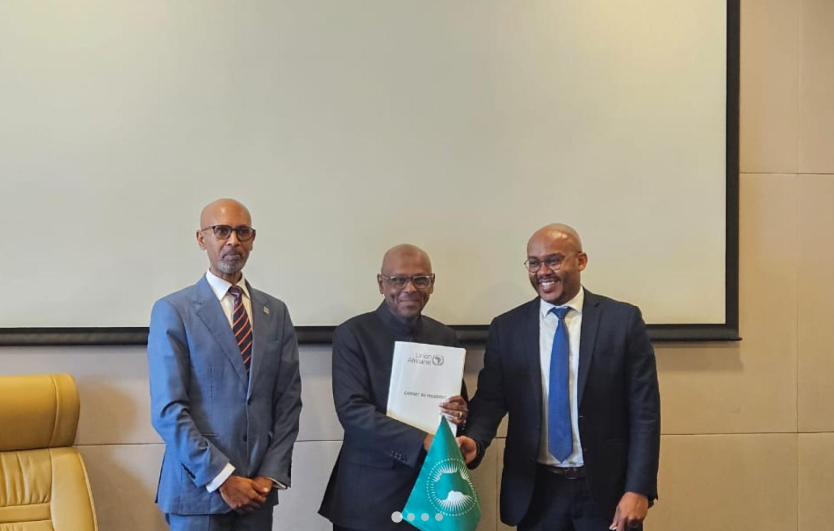
ADDIS ABABA, Ethiopia — September 19, 2026 — The African Union Commission and the Government of South Africa have completed a technical mission aimed at moving forward the African Union Archives and Repository Project, an initiative designed to preserve, modernize and improve access to more than six decades of the continent’s institutional history.
The technical consultations were held at African Union headquarters in Addis Ababa from September 7–18, 2026. They concluded with the formal handover of a Final Technical Report establishing the project’s scope, implementation approach, indicative financial framework and roadmap toward implementation.
Preserving Africa’s Institutional Memory
Since the establishment of the Organisation of African Unity (OAU) in 1963, the organization and its successor, the African Union, have accumulated extensive documentary, photographic and audiovisual records covering African diplomacy, political cooperation, continental integration and collective action.
The project seeks to ensure that this historical material is properly preserved while also creating a more modern system through which the AU can manage and access its institutional knowledge.
The initiative is broader than simply scanning old documents. According to the AU, the technical teams agreed that the archives project should form part of a wider knowledge-management system capable of connecting historical records, modern digital infrastructure and the AU’s institutional information systems.
Four Priorities Identified
During the consultations, AU and South African technical experts examined the AU Central Archives, photographic and audiovisual collections, the AU Library and existing repository systems. They also discussed digital infrastructure, metadata, security, conservation and institutional capacity.
From those discussions, four interconnected areas were identified for cooperation: knowledge audit and asset discovery; knowledge-management governance, policy and institutional sustainability; digital systems integration; and legacy digitization and risk mitigation. The teams agreed that these areas should operate as parts of one integrated program rather than as separate projects.
South Africa’s Role
South Africa has been working with the AU Commission to revive the longstanding initiative. During the technical mission, representatives from South Africa’s African Renaissance and International Cooperation Fund participated in discussions about the project’s requirements, financing and implementation.
South African representative Brian Sebola reaffirmed his government’s commitment to advancing the initiative through the agreed processes, while noting that funding and formal approval procedures still have to be completed.
The mission followed renewed high-level engagement between the AU Commission leadership and the South African government, which helped restore momentum to the project.
From Planning to Implementation
The next stage will include reviewing and updating a draft Memorandum of Understanding between the African Union Commission and South Africa.
The agreement is expected to address the project’s technical scope, responsibilities of both sides, funding arrangements, management of sensitive records, partnerships, monitoring and reporting requirements, and the different phases of implementation.
The September mission therefore represents an important transition: the project has moved from a longstanding proposal toward a structured, costed and time-bound framework, although institutional approvals and financing still need to be completed before full implementation.
Why This Matters for African Integration
The significance of the project extends beyond archival preservation.
African integration has developed through decades of treaties, summit decisions, diplomatic negotiations, peace initiatives, economic agreements and institutional reforms. Preserving those records can provide policymakers, researchers and future generations with a stronger documentary foundation for understanding how continental institutions developed and why particular decisions were made.
A stronger AU repository could also improve institutional continuity. Leadership and personnel change over time, but properly managed institutional records allow knowledge and experience to remain available to future officials.
The project could therefore become part of the infrastructure supporting African integration—not through roads, railways or trade corridors, but through the preservation and organization of the continent’s institutional knowledge.
As the African Union works toward the long-term objectives of Agenda 2063, preserving the documentary history of African cooperation may help ensure that future continental initiatives can draw upon the decisions, experiences and lessons accumulated since the creation of the OAU in 1963.