
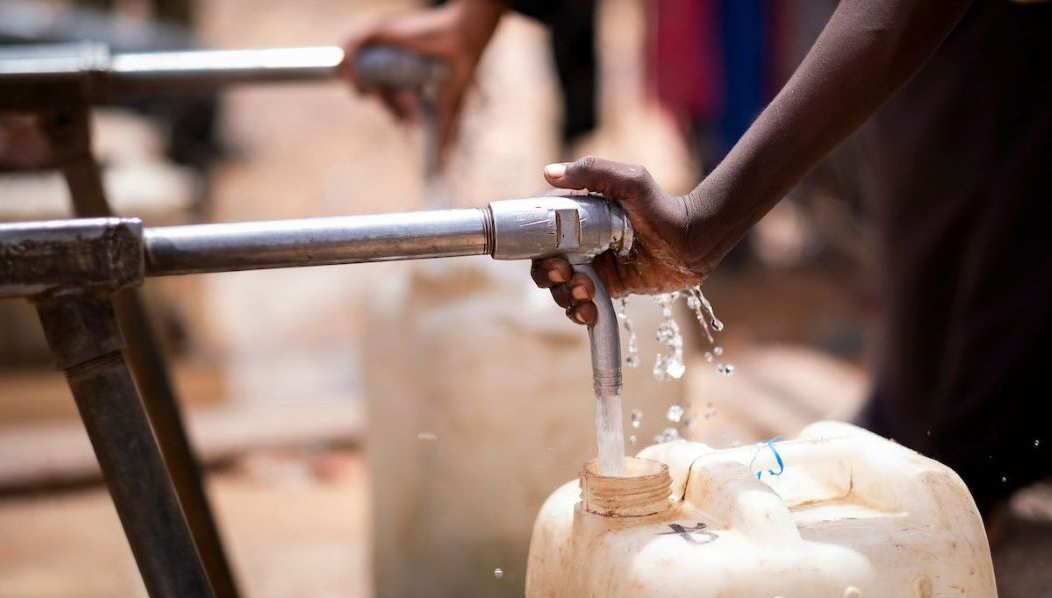
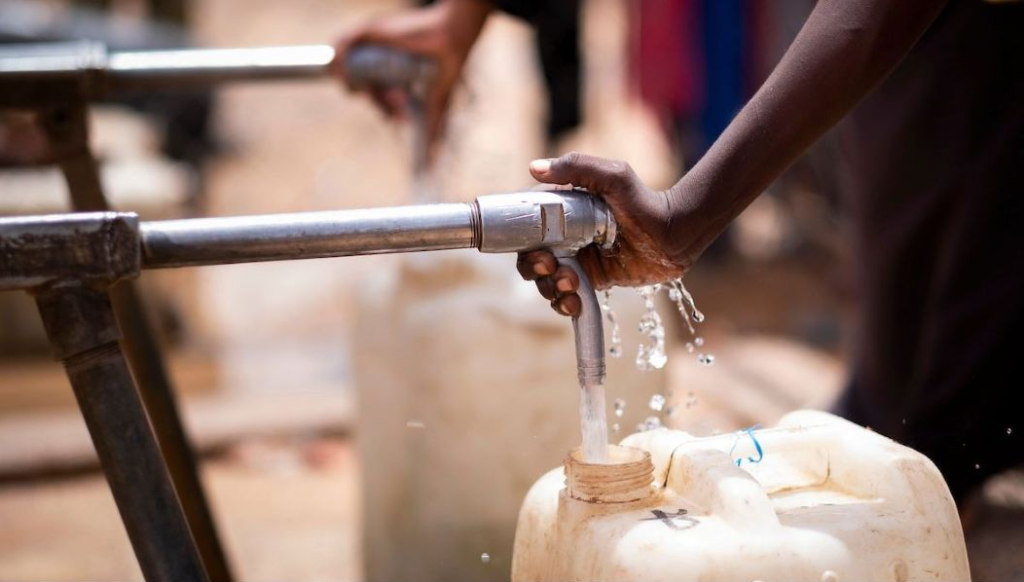
Arusha — The East African Community (EAC) has urged partner states to make water and sanitation statistics a national priority, emphasizing that reliable data improve access to essential services and guide infrastructure development.
According to the EAC’s Facts and Figures 2026 report, the proportion of households able to collect safe drinking water within 30 minutes increased from 69 percent in 2022 to 70 percent in 2025. While the improvement is modest, the regional bloc said it reflects continued progress toward expanding access to safe water across East Africa.
The EAC Secretariat stressed that accurate and timely statistics are critical for identifying communities that remain underserved. Officials urged governments to use the data to pinpoint gaps in water and sanitation services and to direct infrastructure investments where they are needed most.
By strengthening national statistical systems, policymakers would be better equipped to monitor progress, allocate resources efficiently, and develop evidence-based strategies for improving public access to safe drinking water and sanitation facilities, the Secretariat said.
The latest findings form part of the EAC’s ongoing efforts to track social and economic development indicators across member states. The Secretariat noted that data-driven planning can play a key role in accelerating progress toward regional development goals and improving living conditions for vulnerable populations.
The release primarily focused on statistical trends and policy recommendations. No new region-wide infrastructure funding programs or completed water projects were announced alongside the report.
Water and sanitation remain critical development priorities in East Africa, where governments and regional institutions continue to face the challenge of expanding access to essential services amid growing populations and increasing demand for infrastructure.