
The Economic Community of West African States (ECOWAS) has reported two developments to strengthen regional cooperation: Ghana’s allocation of land for a new regional electricity regulatory headquarters and a technical review of the ECOVISA portal, designed to improve travel across West Africa.
Ghana Allocates Land for Regional Electricity Authority
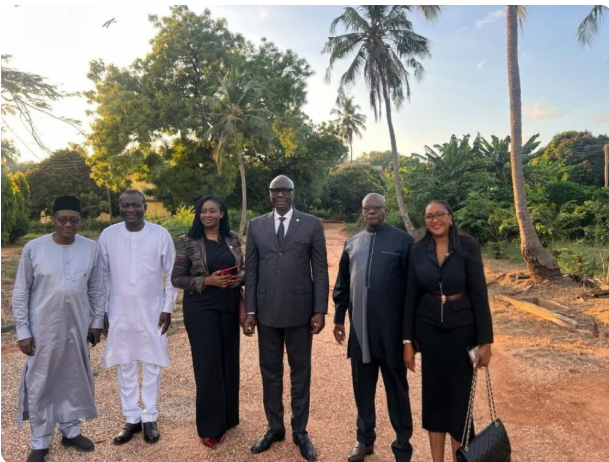
Following discussions held on November 11, Ghana allocated land in Accra for the construction of headquarters for the ECOWAS Regional Electricity Regulatory Authority (ERERA).
ERERA plays an important role in regulating the electricity market and supporting cross-border electricity trade among ECOWAS member states.
The proposed headquarters represents another step toward strengthening regional energy institutions and supporting the development of a more integrated West African electricity market.
Although the land allocation has been reported as completed, construction of the headquarters has not yet been confirmed.
ECOWAS Reviews ECOVISA Portal to Improve Regional Travel
In a separate development, the ECOWAS Commission announced a technical review of the ECOVISA portal, an initiative intended to support smoother regional travel and improve coordination of visa procedures.
The initiative reflects ECOWAS’s broader commitment to regional mobility, economic cooperation, and facilitating movement across member states.
Improved travel procedures could benefit tourism, business activity, and cross-border investment while supporting regional economic integration.
However, the technical review does not mean that a new ECOVISA system has become operational.
Strengthening West African Integration
Both developments highlight the importance of practical institutional reforms in advancing ECOWAS’s regional integration objectives.
A stronger regional electricity regulatory framework could help facilitate energy cooperation, while improved travel systems could reduce administrative barriers affecting regional movement.
The larger question is whether these initiatives will translate into measurable improvements in electricity access, regional trade, and mobility for West African citizens.
For ECOWAS, progress will ultimately depend on completing the proposed infrastructure, implementing effective regulatory systems, and turning technical initiatives into operational services.