
LAGOS, Nigeria — August 17, 2026 — The Economic Community of West African States (ECOWAS) is calling for stronger and more reliable drug-data systems across West Africa as the region confronts changing patterns of drug use, trafficking and related public-health challenges.
In an official update published on August 16, ECOWAS highlighted the need for reliable, regularly updated and comprehensive information to help governments understand the scale and nature of the region’s drug problem and develop more effective responses.
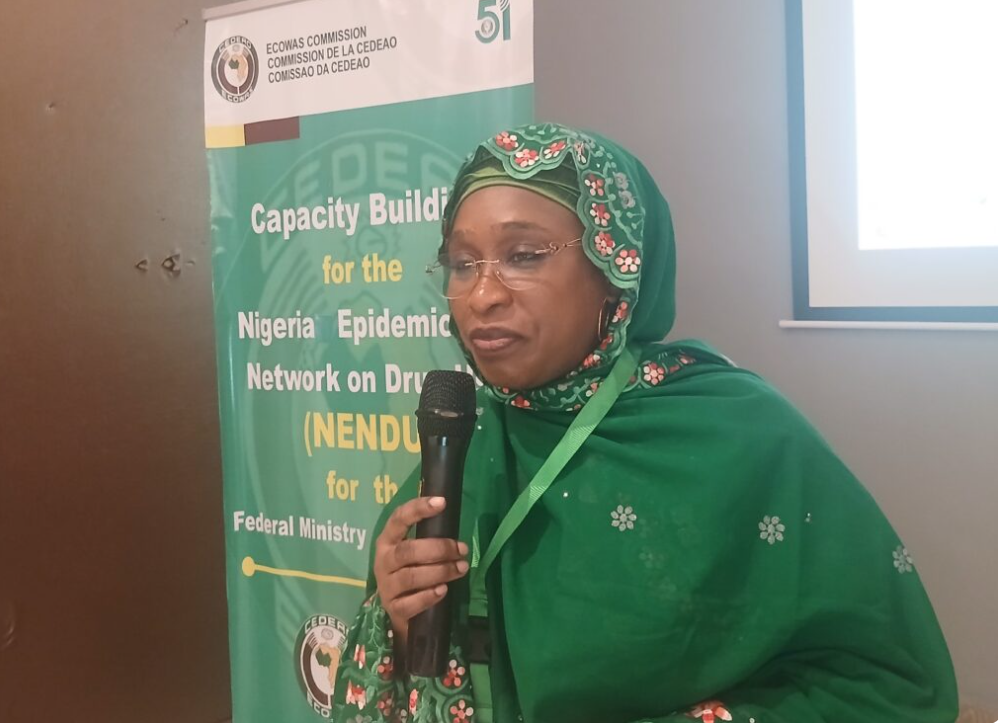
The call followed a capacity-building workshop for the Nigerian Epidemiological Network on Drug Use (NENDU), which concluded on August 13 in Lagos.
Daniel Amankwaah: Effective Policy Depends on Reliable Data
Dr. Daniel Amankwaah, Head of the Prevention and Drug Control Division at the ECOWAS Commission, told participants that the drug situation in West Africa continues to evolve and that governments need accurate information to respond effectively.
Amankwaah urged NENDU focal points to apply lessons from the workshop on data collection, validation and analysis. ECOWAS expects improvements in both the quality and timeliness of information Nigeria submits to the West African Epidemiology Network on Drug Use (WENDU).
ECOWAS said it remains committed to supporting Nigeria and other member states as they strengthen national drug-information systems.
Among the proposals highlighted by Amankwaah are providing data-collection equipment to NENDU centers and expanding Nigeria’s network to include at least 16 neuropsychiatric hospitals, bringing the network to a minimum of 20 centers.
Nigeria Calls for Better Evidence
Henrietta Bakura-Onyeneke, Director of the Narcotics and Drug Abuse Division at Nigeria’s Federal Ministry of Health and Social Welfare, also emphasized the importance of accurate information.
She said quality data provides the foundation for an effective national response to drug use and its associated harms and called for stronger evidence to guide actions aimed at protecting the health and well-being of Nigerians.
Building a Regional Picture Through WENDU
The effort goes beyond Nigeria. ECOWAS has been developing WENDU as a regional mechanism for collecting and analyzing information on drug use and illicit drug supply across West Africa.
Previous WENDU reporting has identified emerging drug threats in the region, including the spread of substances such as Kush, which ECOWAS has described as creating serious public-health concerns in several member states.
A stronger regional data network could help authorities identify which communities and countries are experiencing increases in particular drugs and determine where treatment facilities, prevention programs and other interventions are most urgently needed.
Why Regional Drug Data Matters
Drug trafficking does not stop at national borders. A substance entering West Africa through one country can move through several others before reaching its final market. Drug-use trends can also spread between neighboring countries.
That makes regional cooperation essential.
Reliable WENDU data can help ECOWAS member states compare trends, identify emerging threats and coordinate their responses rather than relying solely on separate national policies.
For ordinary citizens, better data can also mean governments are better positioned to direct resources toward treatment, prevention, rehabilitation and community-based programs, while law-enforcement agencies can use broader regional information to understand trafficking patterns.
The ECOWAS initiative reflects a growing recognition that West Africa’s response to drugs cannot depend on enforcement alone. Public health, prevention, treatment and accurate information must also form part of a coordinated regional strategy.