
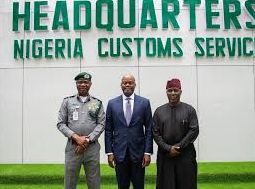
ABUJA, Nigeria — August 11, 2026 — Nigeria’s experience with digital customs modernization is set to play a role in a major African Continental Free Trade Area initiative aimed at improving how goods move across African borders.
President Bola Ahmed Tinubu welcomed the selection of AfriTrade CMP Limited, a subsidiary of Nigerian-owned Bergmans Security Consultant and Supplies Limited, for a 20-year AfCFTA Customs Modernisation Project.
The project is intended to introduce digital and physical infrastructure supporting customs processing, cargo tracking, border management and trade-data exchange across participating African countries.
Nigeria’s B’Odogwu Unified Customs Management System, initially piloted in October 2024, was cited by the Nigerian Presidency as a model supporting the broader continental initiative.
Why Customs Modernization Matters
One of the biggest challenges facing the African Continental Free Trade Area is turning agreements on paper into faster and less expensive movement of goods across borders.
African businesses can face complicated customs procedures, lengthy border delays and different administrative systems when trading between countries.
Greater digital integration could allow customs authorities to process information more efficiently, track cargo and exchange trade data across national borders.
For businesses, particularly small and medium-sized enterprises, improvements could eventually mean shorter clearance times, lower administrative costs and more predictable cross-border trade.
Nigeria’s Technology Goes Continental
The selection also highlights the potential for African-developed systems and companies to provide solutions for Africa’s integration challenges.
If Nigeria’s B’Odogwu experience can successfully inform customs modernization elsewhere, the project could demonstrate how technology developed within one African country can be adapted to support a wider continental system.
However, implementation will be the real test.
A 20-year modernization project involving multiple countries will require cooperation among governments, customs authorities, technology providers and AfCFTA institutions.
The ultimate measure of success will not simply be the technology installed at borders, but whether African traders experience faster customs clearance, better cargo visibility and easier movement of goods across the continent.
For the AfCFTA, that distinction is critical. Africa cannot build a truly continental market simply by reducing tariffs.
Its borders and customs systems must also become capable of supporting the trade the agreement is designed to create.