
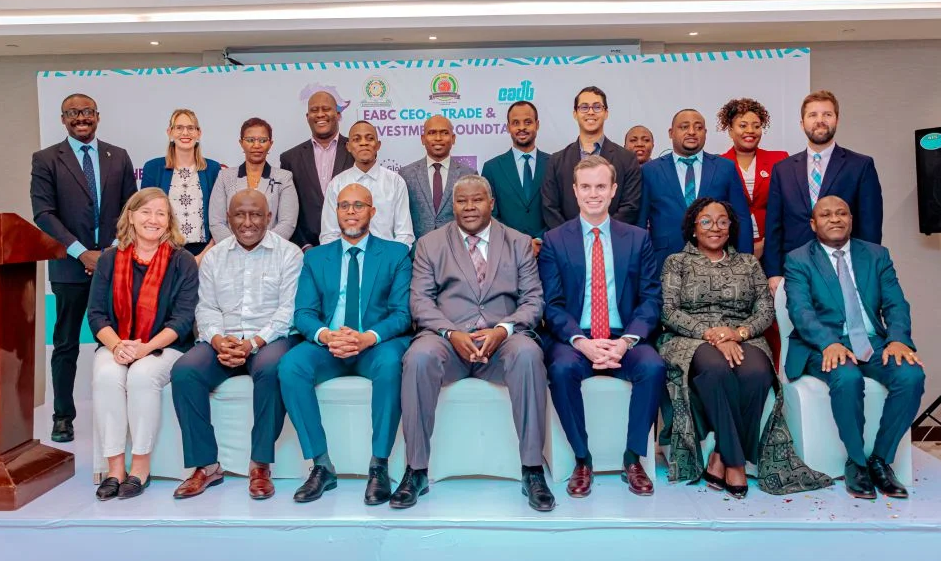
ARUSHA, Tanzania — August 10, 2026 — The East African Community (EAC) and the Federal Republic of Germany are beginning bilateral negotiations today at EAC headquarters in Arusha, Tanzania, as the two sides discuss continued cooperation on regional development priorities.
The negotiations are listed on the East African Community’s official calendar for August 10 and form part of the longstanding development partnership between Germany and the regional bloc.
Regional Cooperation Takes Center Stage
Germany has been an important development partner for East African regional integration, supporting initiatives intended to strengthen institutions and improve cooperation among EAC Partner States.
The latest negotiations provide an opportunity for EAC and German officials to discuss priorities for future cooperation and determine where German development assistance can support the Community’s regional agenda.
While the final areas of agreement will depend on the negotiations, regional cooperation between development partners and the EAC can encompass areas such as trade and economic integration, health, institutional development, infrastructure, climate resilience and other programs that require cooperation across national borders.
For the EAC, such partnerships can be particularly important because many regional challenges cannot be effectively addressed by individual countries acting alone.
Why These Negotiations Matter
The East African Community brings together countries working toward deeper economic, political and social integration. Achieving that goal requires substantial investment in regional institutions, infrastructure and programs connecting people and economies across borders.
Development partnerships can help provide financing and technical expertise for those efforts.
The negotiations with Germany therefore go beyond relations between Germany and any single East African country. They concern Germany’s cooperation with the EAC as a regional institution and potentially programs designed to benefit multiple Partner States.
For ordinary East Africans, the importance of regional cooperation can ultimately be measured by practical results: easier movement across borders, stronger regional trade, improved public services, greater economic opportunities and more coordinated responses to shared challenges.
What Happens Next?
The key development to watch will be whether the EAC and Germany announce specific financial commitments, programs or priority sectors following the negotiations.
Any agreements emerging from the talks could provide a clearer picture of where Germany intends to direct its next phase of support for East African integration.
The negotiations also come as the EAC continues working to deepen regional integration while confronting significant challenges, including infrastructure needs, trade barriers, climate pressures and disparities in economic development among its Partner States.
Today’s meeting in Arusha therefore represents another step in determining how international partnerships can support the EAC’s broader regional ambitions.
When the Dust Settles: The important question will not simply be how much assistance Germany provides, but whether the resulting programs produce tangible benefits that East Africans can see in their communities, businesses and daily lives.