
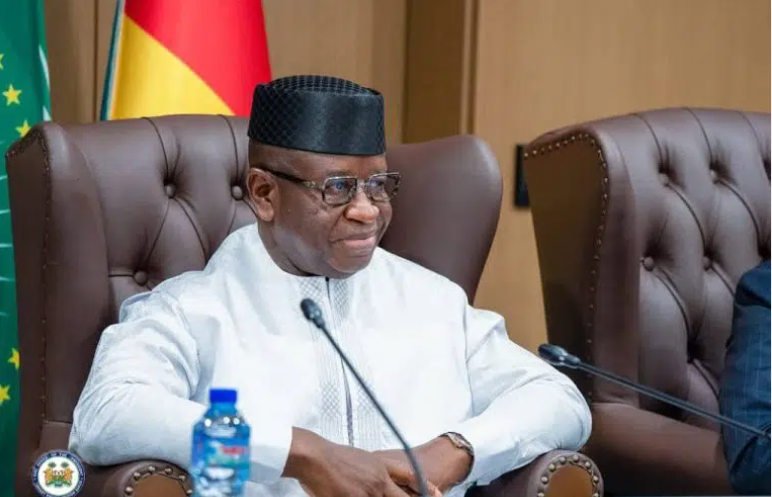
FREETOWN, Sierra Leone — August 7, 2026 — Sierra Leone has formally opened a new legislative period following President Julius Maada Bio’s address at the State Opening of the Fourth Session of the Sixth Parliament.
The presidential address marks the beginning of Parliament’s next session and provides the government with an opportunity to outline its policy priorities, legislative objectives and broader direction for the country.
The State Opening is one of Sierra Leone’s most important constitutional and political events, bringing together the executive and legislative branches as lawmakers prepare to consider legislation, government programs, public spending and other matters affecting the country.
A New Legislative Period
President Bio’s address comes as Sierra Leone continues to confront major economic and social challenges, including the cost of living, employment, infrastructure development, food security and the delivery of essential public services.
The opening of a new parliamentary session allows the government to establish which issues it wants lawmakers to prioritize while also giving Parliament the responsibility of scrutinizing government policies and holding public officials accountable.
For ordinary Sierra Leoneans, what happens during the session could ultimately affect issues ranging from household expenses and employment opportunities to education, healthcare, agriculture and infrastructure.
Parliament will now have the responsibility of translating portions of the government’s policy agenda into legislation, budget decisions and oversight activities.
Sierra Leone’s Regional Importance
The opening also carries significance beyond Sierra Leone’s borders.
As a member of the Economic Community of West African States, Sierra Leone participates in regional efforts involving trade, economic integration, democratic governance, security and the movement of people and goods across West Africa.
President Bio is not the current Chairman of ECOWAS. That leadership role is held by Senegalese President Bassirou Diomaye Faye.
Nevertheless, Sierra Leone remains an important participant in ECOWAS decision-making, meaning some of the priorities outlined by the Bio administration—particularly those involving economic development, trade, security and governance—could intersect with broader regional initiatives.
Domestic Policy Meets Regional Cooperation
Sierra Leone’s domestic economic policies are particularly important in the context of West African integration.
ECOWAS has spent decades attempting to reduce barriers between its member states, increase regional trade and strengthen economic cooperation. National policies involving agriculture, infrastructure, energy, transportation and private-sector development can therefore influence how effectively individual countries participate in the regional economy.
Security is another area where national and regional interests increasingly overlap.
West Africa continues to face challenges involving political instability, organized crime, drug trafficking, maritime security and violent extremism, particularly in parts of the Sahel and coastal West Africa.
Although Sierra Leone has remained comparatively removed from some of the region’s most serious security crises, developments elsewhere in West Africa have demonstrated why cooperation among governments remains important.
Parliament Now Takes Center Stage
With the ceremonial opening completed, attention now shifts to Sierra Leone’s lawmakers.
Members of Parliament will be expected to examine government proposals, debate legislation, review spending priorities and question ministers and other officials about the implementation of government programs.
That oversight role will be particularly important as citizens evaluate whether national policies are producing measurable improvements in their daily lives.
The State Opening therefore represents more than a ceremonial beginning to another parliamentary session. It establishes the political framework for the months ahead and provides Sierra Leoneans with an opportunity to measure the government’s promises against its eventual results.
As the Fourth Session of the Sixth Parliament gets underway, the central question will be how effectively the priorities outlined by President Bio are translated from presidential policy statements into legislation, government action and tangible improvements for the people of Sierra Leone.
For West Africa, the session will also be worth watching. Sierra Leone’s decisions on economic development, governance and security will take place within a broader regional environment in which ECOWAS, under the chairmanship of Senegalese President Bassirou Diomaye Faye, is seeking to strengthen cooperation and address some of the most difficult political and economic challenges facing the region.