
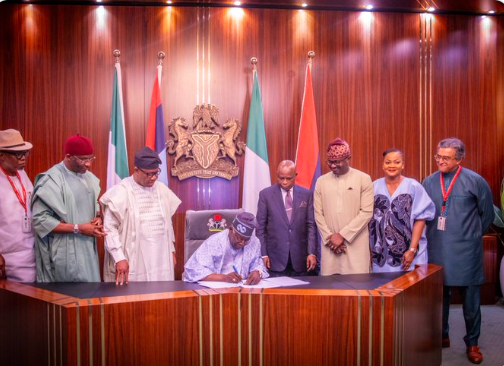
ABUJA — Nigeria is preparing significant changes to its national security structure and the administration of Hajj travel as the federal government responds to domestic insecurity and evolving requirements from Saudi Arabia.
Army Expands From Eight to Twelve Divisions
Nigeria’s presidency announced the creation of four additional Nigerian Army divisions, increasing the total from eight to twelve. According to the government, the expansion is intended to strengthen the military’s presence and improve its ability to respond rapidly to security threats across the country.
The restructuring comes as Nigeria continues to confront terrorism, banditry, kidnapping and communal violence. These threats affect different regions and frequently require the armed forces to conduct several operations simultaneously across large geographic areas.
Additional divisions could improve regional command, troop deployment, intelligence coordination and operational response times. However, their effectiveness will depend on adequate personnel, equipment, training, logistics and cooperation with the police and other security agencies.
President Bola Tinubu also addressed proposals to establish state police forces. Supporters argue that locally controlled police services could respond more effectively to community-level threats because they would possess better knowledge of local conditions.
However, the president emphasized that safeguards would be necessary to prevent abuse. Critics have expressed concern that state police could be misused by governors or other political officials unless clear standards for recruitment, oversight, financing and accountability are established.
Together, the military expansion and state-police debate signal a potentially substantial restructuring of Nigeria’s domestic security architecture.
Nigeria Plans Gradual Changes to Hajj Administration
Separately, the National Hajj Commission of Nigeria announced that Saudi Arabia’s proposal to move Nigerian pilgrims toward a private-tour-operator system will be implemented gradually.
A phased transition could give Nigerian regulators, state pilgrimage authorities, tour operators and prospective pilgrims time to adjust to the new arrangements.
Moving toward private management could change how Hajj packages are priced, marketed and delivered. It may also affect accommodations, transportation, registration, consumer protection and the level of government involvement in organizing pilgrimages.
While increased private-sector participation could encourage competition and operational efficiency, it may also create concerns about affordability, service quality and oversight. Strong regulation will be necessary to ensure that approved operators meet required financial and service standards.
For thousands of Nigerians who undertake the Hajj pilgrimage, the structure of the transition will determine whether the new model makes travel more efficient or creates additional financial and administrative challenges.
The two developments reflect Nigeria’s efforts to reform major public systems. One seeks to strengthen the country’s response to persistent insecurity, while the other prepares its religious-travel sector for a significant change in international pilgrimage administration.