
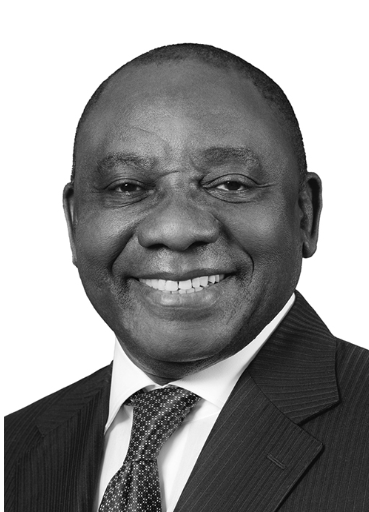
CAPE TOWN, November 24 — South African President Cyril Ramaphosa is scheduled to address the National Council of Provinces (NCOP) in Cape Town on November 24, with a focus on key economic priorities including trade, investment, industrial development, job creation, and ongoing structural reforms.
According to the parliamentary agenda, Ramaphosa is expected to discuss opportunities for South Africa through its participation in the BRICS grouping, as well as efforts to diversify export markets through the African Continental Free Trade Area (AfCFTA). The address is also set to highlight government initiatives aimed at advancing industrialization and expanding employment opportunities.
In addition, the president is expected to provide updates on reforms in the country’s energy and logistics sectors, which have been identified by the government as critical areas for improving economic performance and competitiveness.
The planned engagement comes as South Africa continues to pursue strategies to attract investment, strengthen regional and global trade links, and address long-standing infrastructure and economic challenges. Policymakers have increasingly emphasized the importance of reliable energy supply, efficient transport networks, and expanded market access as essential components of economic growth.
The NCOP address is expected to provide lawmakers with an opportunity to engage the president on government priorities and the implementation of economic reforms across the country’s provinces.
However, the parliamentary advisory announcing the engagement does not establish any new trade agreements, investment commitments, or completed economic reforms. Rather, the event is a scheduled parliamentary engagement in which the president is expected to outline government policy priorities, ongoing initiatives, and areas of focus for economic development.
Observers will be watching for any additional details on how South Africa intends to leverage BRICS partnerships, deepen participation in the AfCFTA, and accelerate reforms designed to support growth, improve infrastructure performance, and create jobs across the country.