
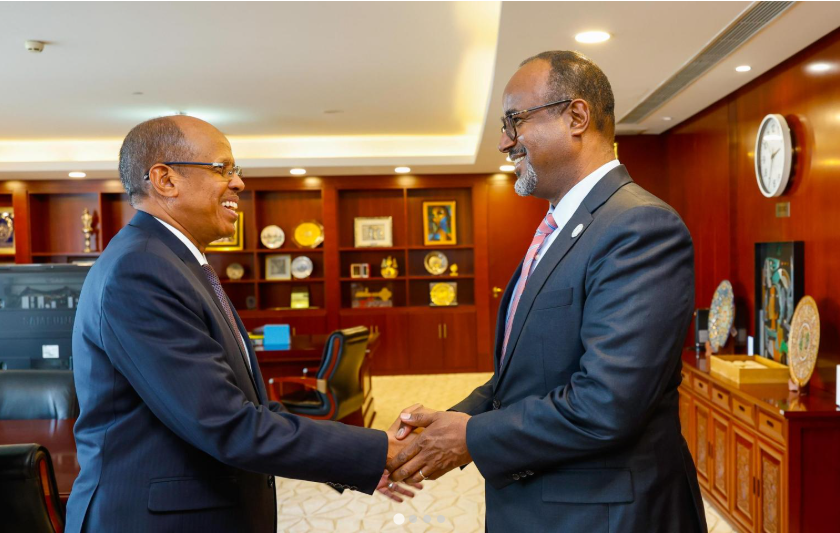
Addis Ababa — The African Union (AU) Commission and the World Bank have held strategic discussions aimed at deepening their partnership in support of Africa’s regional integration agenda and long-term economic transformation.
According to a diplomatic readout released by the AU Commission, the talks focused on strengthening cooperation between the two institutions as African countries pursue greater economic connectivity, infrastructure development, trade integration, and sustainable growth across the continent.
The discussions come as the African Union continues to advance flagship initiatives designed to accelerate continental integration, including the African Continental Free Trade Area (AfCFTA), regional infrastructure corridors, and efforts to improve cross-border connectivity. These initiatives are widely viewed as critical components of the AU’s vision for creating a more interconnected and competitive African economy.
The World Bank has long been a key development partner across Africa, supporting projects that promote economic development, poverty reduction, regional trade, and institutional capacity building. The latest engagement signals a shared interest in aligning resources, expertise, and policy support behind the continent’s development priorities.
Regional integration remains a central objective of the African Union, which argues that stronger links between African economies can help reduce trade barriers, expand markets for businesses, create jobs, and strengthen resilience against global economic shocks. Improved transportation networks, energy interconnections, digital infrastructure, and harmonized regulations are among the measures often highlighted as essential for achieving these goals.
While the AU Commission’s release described the discussions as strategic and forward-looking, no new financing package, loan approval, investment commitment, or completed infrastructure project was announced as part of the meeting. The focus instead appeared to be on reinforcing institutional cooperation and exploring avenues for future collaboration.
Observers note that closer coordination between continental institutions and international development partners could play an important role in advancing Africa’s economic transformation agenda, particularly as governments seek to unlock greater intra-African trade and accelerate implementation of regional development programs.
The AU Commission stated that both sides reaffirmed the value of partnership in supporting Africa’s integration ambitions, underscoring the importance of continued dialogue and cooperation to advance the continent’s shared development objectives.
Status: Strategic discussions reported. No specific new financing amount, approved loan, or completed infrastructure project was identified in the AU Commission’s release.