
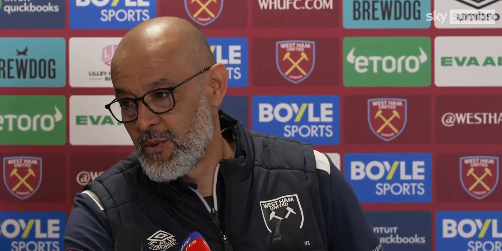
The fallout from one of the most contentious decisions in recent African football history continues to reverberate, as Nuno Espirito Santo publicly addressed the decision to strip Senegal of their Africa Cup of Nations crown.
Speaking in response to developments circulating widely on Twitter, the experienced Portuguese manager offered a measured yet firm perspective on the situation, emphasizing the importance of maintaining integrity and clarity in tournament governance.
The controversy stems from the Confederation of African Football’s (CAF) decision to overturn Senegal’s victory in the Africa Cup of Nations after a dispute that culminated in Senegal’s withdrawal from the pitch during a decisive moment in the competition. That action, under tournament regulations, has been interpreted as grounds for disqualification—ultimately leading to the reassignment of the title.
Nuno, known for his composed demeanor and analytical approach, acknowledged the emotional weight of the decision but underscored that rules must remain paramount. “Football is built on structure and respect for the game,” he suggested, noting that while emotions can run high in high-stakes matches, adherence to competition protocols is non-negotiable.
The decision has sparked widespread debate across the footballing world, with supporters, analysts, and former players divided. Many sympathize with Senegal’s position, citing concerns over officiating and broader governance issues, while others argue that the rules were applied correctly given the circumstances.
For Nuno, the broader issue lies in consistency. He pointed out that governing bodies must ensure transparency in decision-making to preserve trust among players, teams, and fans alike. In tournaments as prestigious as AFCON, even the perception of inconsistency can damage the competition’s credibility.
The incident has also reignited scrutiny of CAF’s disciplinary processes, with calls for reform growing louder in the wake of the ruling. As African football continues to expand its global influence, moments like this highlight the delicate balance between authority and fairness.
While Senegal’s players and supporters grapple with the disappointment of losing their title off the pitch, the conversation has shifted toward accountability and the future of governance in African football. Nuno’s intervention adds a respected managerial voice to a debate that shows no sign of fading anytime soon.