
ABUJA, Nigeria — The Economic Community of West African States (ECOWAS) has published a further report highlighting the launch of its Regional Rice Value Chains Development Programme (REWARD), a major initiative designed to strengthen rice production across West Africa and reduce the region’s dependence on imported rice.
The programme, developed in partnership with the African Development Bank (AfDB) and AfricaRice, seeks to support West Africa’s ambition of achieving rice self-sufficiency by 2035. Rice has become one of the region’s most important staple foods, yet many countries continue to rely heavily on imports to meet growing consumer demand.
According to ECOWAS, REWARD aims to transform the regional rice sector by improving productivity, strengthening value chains, increasing investment, and enhancing coordination among member states. The programme is also expected to create economic opportunities for farmers, processors, traders, and other actors involved in the rice industry.
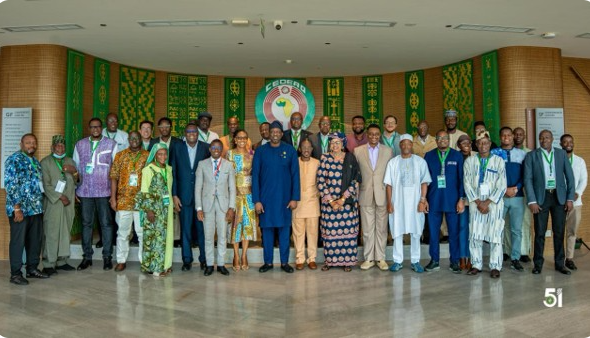
As part of the latest developments, ECOWAS announced the inauguration of the programme’s Regional Steering Committee, which will provide strategic direction and oversight for implementation. The committee brings together key stakeholders from across the region to ensure effective coordination and alignment with broader agricultural development goals.
The establishment of the steering committee marks an important milestone for the initiative, reinforcing regional cooperation in addressing food security challenges and supporting sustainable agricultural growth. Through strengthened governance and collaboration, the committee is expected to guide efforts to accelerate progress toward the programme’s objectives.
The REWARD programme aligns with ECOWAS’ broader agenda of promoting regional integration and agricultural transformation. By supporting increased local rice production, the initiative seeks to enhance food sovereignty, reduce pressure on foreign exchange reserves used for imports, and improve resilience against global supply disruptions.
With West Africa’s population continuing to grow and demand for rice rising steadily, ECOWAS and its partners view the programme as a critical step toward building a more self-reliant and competitive regional agricultural sector.
Officials say the success of REWARD will depend on sustained cooperation among governments, development partners, research institutions, and private-sector stakeholders as the region works toward its 2035 rice self-sufficiency target.