
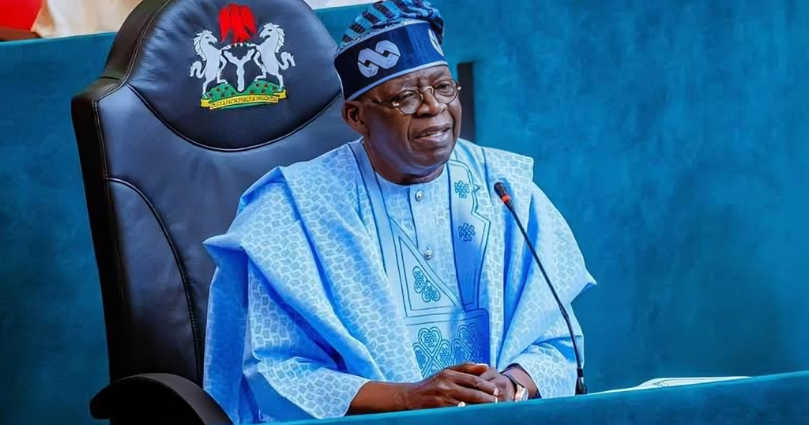
ABUJA, Nigeria — President Bola Ahmed Tinubu has ordered a comprehensive forensic audit of Nigeria’s federal government systems as his administration moves to identify ghost workers, unauthorized agencies and weaknesses in the management of public funds.
The audit will cover the Integrated Personnel and Payroll Information System (IPPIS) as well as federal ministries, departments, agencies and other government bodies. Finance Minister Taiwo Oyedele has been tasked with coordinating the exercise.
According to the Presidency, the review follows findings involving so-called “fake agencies,” ghost workers and failures in government financial controls.
Investigators are expected to examine Nigeria’s payroll, personnel, pension and financial-management systems, including connections among IPPIS, GIFMIS, Remita and the Treasury Single Account.
Another major objective will be establishing a definitive inventory of federal government bodies and verifying whether those institutions have the proper legal authority to operate.
The exercise could become a significant test of President Tinubu’s efforts to strengthen transparency and accountability in Nigeria’s public finances. Ghost workers and unauthorized government entities can place additional pressure on public spending by directing government resources toward salaries and administrative costs that should not exist.
Eliminating those losses could potentially free resources for infrastructure, education, healthcare and other public services.
The audit also carries broader significance for Africa’s largest economy. Stronger financial controls and transparent public institutions are important not only for Nigeria’s domestic development but also for its leadership role within ECOWAS and the wider African economic integration agenda.
Attention will now turn to what the forensic audit uncovers—and whether its findings lead to lasting reforms in how Nigeria manages its federal workforce and public finances.