
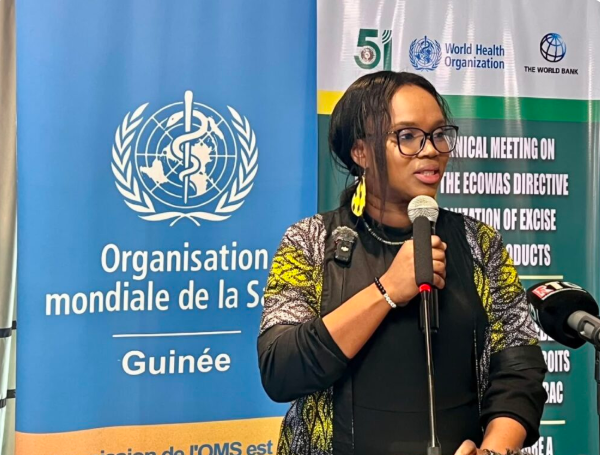
CONAKRY, Guinea — August 18, 2026 — ECOWAS is reviewing its regional approach to tobacco taxation as part of efforts to strengthen tax coordination, public health and government revenue collection across West Africa.
The regional bloc convened a meeting in Conakry on August 17 to review its directive governing excise duties on tobacco products. The discussions are aimed at examining the regional framework used by ECOWAS member states when applying taxes to tobacco products.
Harmonising tobacco excise policies is particularly important in a region where goods regularly move across national borders. Significant differences in taxation between neighboring countries can create incentives for consumers and traders to seek lower-tax markets and can complicate efforts by governments to collect revenue and control tobacco consumption.
A more coordinated ECOWAS framework could help reduce opportunities for cross-border tax avoidance while supporting national public-health policies designed to discourage tobacco use.
The initiative also reflects the wider role of regional integration. While ECOWAS is often associated with political affairs and the free movement of people and goods, fiscal coordination is another important component of building a more integrated regional economy.
At the same time, ECOWAS is continuing work on its 2027–2029 Medium-Term Expenditure Framework (MTEF). The framework is intended to improve strategic planning and ensure Community resources are directed toward agreed regional priorities.
Together, the tobacco-tax review and expenditure-planning process highlight ECOWAS’s efforts to strengthen both regional policy coordination and the management of its own financial resources.
Why it matters: Regional integration also requires governments to coordinate policies that affect taxation, trade and public finances. More consistent tobacco taxation could support public health and revenue collection, while stronger medium-term financial planning could help ECOWAS direct resources toward programs that produce practical benefits across West Africa.