
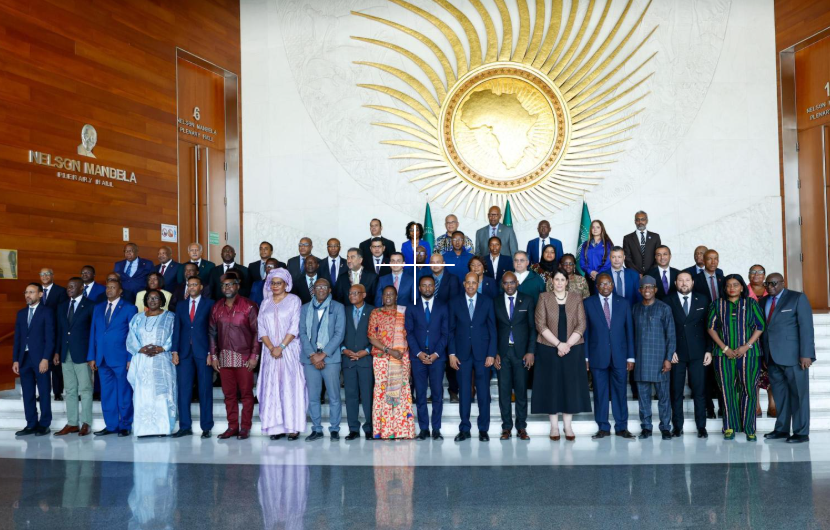
ADDIS ABABA, Ethiopia — August 18, 2026 — The African Union’s continental agenda remains centered on implementing Agenda 2063 and strengthening cooperation with Africa’s Regional Economic Communities, even as no major new continent-wide policy announcement had been posted by the AU early Tuesday.
Recent AU activity continues to highlight the importance of turning continental agreements and long-term goals into practical action at the regional and national levels. The Regional Economic Communities serve as key building blocks in this process, connecting AU priorities with programs implemented across different parts of Africa.
The AU’s cooperation with COMESA surrounding Zambia’s August 13 election remains one example of this coordination. Election observation and engagement with regional institutions support the AU’s broader objectives of democratic governance, peaceful political transitions and stronger African institutions.
At the same time, activities taking place through SADC, COMESA and IGAD demonstrate how regional organizations contribute to the wider continental integration agenda. SADC’s regional policy work, COMESA’s economic and governance programs, and IGAD’s efforts in areas such as agriculture and development all contribute to goals identified under Agenda 2063.
This structure is important because the African Union cannot achieve continental integration through AU institutions alone. Many of its objectives depend on cooperation among national governments and the RECs, particularly in areas such as trade, infrastructure, agriculture, peace and security, democratic governance and the movement of people.
For ordinary Africans, the success of Agenda 2063 will ultimately be measured not simply by declarations from Addis Ababa, but by whether regional and continental cooperation produces visible improvements in jobs, trade opportunities, food security, infrastructure, stability and mobility.
Even on days without a major new AU Commission announcement, work taking place through Africa’s regional organizations therefore remains an important part of the continent’s broader integration effort.
Why it matters: Africa’s integration project is a shared process involving the AU, the Regional Economic Communities and individual member states. The effectiveness of Agenda 2063 will depend heavily on whether continental commitments are translated into coordinated regional programs and, ultimately, practical results for African citizens.