
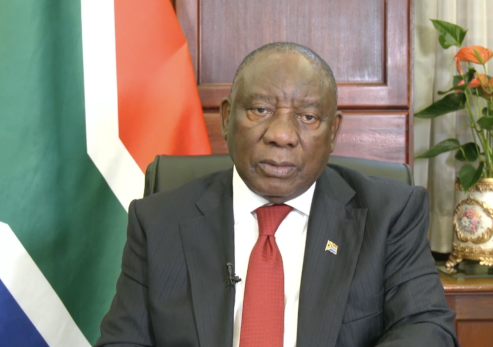
DURBAN, South Africa — August 17, 2026 — Leaders from across Southern Africa are meeting in Durban today for the 46th Ordinary Summit of the Southern African Development Community (SADC), with regional industrialisation, infrastructure and deeper economic integration at the center of discussions.
The summit is being hosted and chaired by South African President Cyril Ramaphosa, the current SADC Chairperson, at the Inkosi Albert Luthuli International Convention Centre. SADC confirmed that the meeting will review regional economic and political developments, implementation of previous summit decisions and progress toward the SADC Regional Indicative Strategic Development Plan 2020–2030 and Vision 2050.
This year’s summit is being held under the theme “Resilient, Sustainable and Inclusive Industrialisation through Infrastructure Development, Agricultural Transformation and Critical Minerals Beneficiation, for a Just World.” The theme places particular emphasis on turning Southern Africa’s natural resources and agricultural production into higher-value products and industries.
Ramaphosa Calls for a More Integrated Regional Economy
Ahead of the summit, Ramaphosa used a SADC public lecture in Durban to emphasize that the region’s economic future will depend increasingly on countries working together rather than operating as separate national markets.
The broader objective is to create stronger regional value chains in which minerals, agricultural products and other natural resources are increasingly processed within Southern Africa before being exported.
Such a strategy could allow SADC countries to capture a greater share of the economic value of their resources while supporting manufacturing, employment, skills development and intra-regional trade.
Infrastructure will be crucial to achieving that goal. Better roads, railways, border facilities, electricity networks and digital connections can make it easier for businesses to produce goods in one SADC country and sell them throughout the region.
Critical Minerals Take Center Stage
Southern Africa possesses significant deposits of minerals that are becoming increasingly important to electric vehicles, renewable energy systems, batteries and other emerging technologies.
For SADC, the challenge is not simply extracting those resources but developing the processing and manufacturing industries that surround them.
Greater regional cooperation could help countries coordinate infrastructure, investment and industrial policies so that more of the economic benefits associated with critical minerals remain within the region.
Agricultural transformation is another major component of the summit’s agenda. Expanding agro-processing could allow farmers and businesses to move beyond exporting raw agricultural commodities and create more finished products for African and international markets.
From Vision to Implementation
The summit comes as SADC continues implementing its long-term Vision 2050, which seeks a peaceful, integrated, competitive and industrialised Southern African region.
SADC says leaders will examine progress on previous summit decisions as well as economic, social and political developments affecting its member states.
Peace, security, democratic governance and stronger regional institutions also remain important parts of the integration agenda. Without political stability and functioning institutions, attracting the long-term investment required for major infrastructure and industrial projects becomes more difficult.
For ordinary citizens, the success of the strategy will ultimately be measured by whether regional integration produces tangible improvements — including jobs, reliable electricity, better transportation, stronger food security and greater opportunities for businesses to trade across borders.
The Durban summit therefore represents more than an annual gathering of Southern African leaders. It is another test of whether SADC can turn its regional plans into practical projects that connect its economies and ensure that more of Southern Africa’s natural wealth is transformed into prosperity within the region.
Official sources: Southern African Development Community (SADC) and The Presidency of South Africa.