
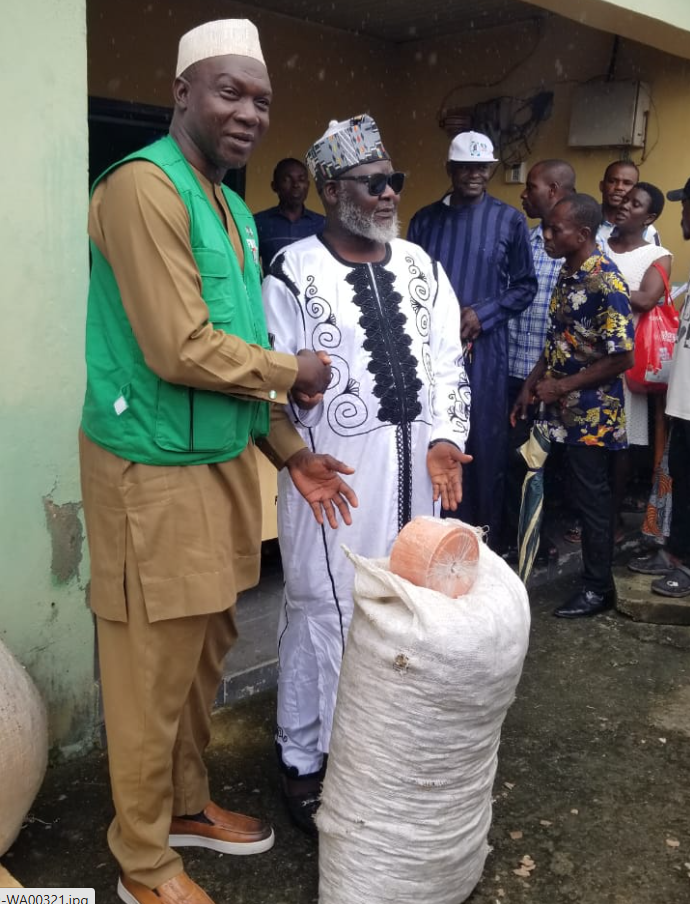
Government initiative aims to lower production pressures, strengthen livestock farming and support rural livelihoods
BAYELSA STATE, NIGERIA — Nigeria’s Federal Ministry of Livestock Development has announced the distribution of more than 1,000 livestock feed inputs to farmers in Bayelsa State, as the federal government moves to strengthen livestock production and support agricultural livelihoods.
The ministry announced the distribution on August 8, describing the intervention as part of broader efforts to improve Nigeria’s livestock sector and provide practical assistance to farmers.
For livestock producers, access to affordable and reliable animal feed is particularly important because feed represents one of the major expenses involved in raising livestock.
Helping Farmers Manage Production Costs
Providing feed assistance could help participating farmers reduce some of their immediate production expenses while improving their ability to maintain healthy and productive animals.
The impact could extend beyond individual farmers.
A stronger livestock sector has the potential to support businesses throughout the agricultural supply chain, including feed producers, transporters, processors, veterinarians, traders and local markets.
For rural communities, increased livestock production can also contribute to employment and household income.
Nigeria Pushes to Strengthen Domestic Production
Nigeria has been working to expand domestic agricultural production as the country confronts food-security challenges and pressure on household food costs.
Livestock development is an important part of that effort.
Increasing the productivity of domestic livestock farms could eventually contribute to greater supplies of locally produced meat, dairy products and other animal products.
That could help Nigeria reduce some of its dependence on imported agricultural products while keeping more agricultural spending within the domestic economy.
However, distributing feed alone will not resolve the challenges facing the livestock industry.
Farmers also need reliable access to veterinary services, financing, water, modern farming equipment, improved breeds, transportation and markets where they can sell their products.
Why Bayelsa Matters
Agriculture provides an opportunity for states such as Bayelsa to expand economic activity beyond sectors traditionally associated with the Niger Delta.
Supporting farmers and livestock producers can create additional sources of income, particularly in rural communities.
If programs like the Bayelsa feed distribution are sustained and accompanied by other agricultural investments, they could help small and medium-sized producers expand their operations.
But an important question will be whether the assistance reaches farmers who need it most and whether the government measures the results of the program after the initial distribution.
What This Means for Ordinary Nigerians
For consumers, the bigger issue is food availability and prices.
If livestock farmers can reduce production costs and raise more animals efficiently, increased domestic production could eventually contribute to a more reliable supply of meat, milk and other livestock products.
But those benefits depend on more than simply distributing agricultural inputs.
Nigeria will need sustained investment across the livestock supply chain if increased production is going to translate into affordable food for consumers.
The distribution of more than 1,000 livestock feed inputs in Bayelsa therefore represents a relatively small but practical part of a much larger challenge: building a livestock industry capable of supporting farmers, creating jobs and producing more of the food Nigerians consume at home.
For the farmers receiving the assistance, the immediate benefit is straightforward — additional resources to help feed their livestock.
The longer-term test will be whether initiatives like this can translate into higher production, stronger rural livelihoods and more affordable food for Nigerian families.