
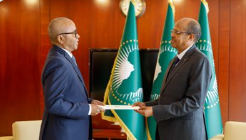
ADDIS ABABA/BANJUL — Two major African Union bodies have concluded meetings focused on continental governance, institutional reform, peace and security, and the protection of human rights across Africa.
AU Executive Council Concludes 49th Ordinary Session
The African Union Executive Council concluded its 49th Ordinary Session in Addis Ababa, Ethiopia, on July 29. The meeting brought together ministers from AU member states to consider several of the continent’s most pressing political, institutional and development priorities.
Discussions included implementation of Agenda 2063, the African Union’s long-term framework for building an integrated, prosperous and peaceful continent. Ministers also examined AU institutional reform, continental integration, peace and security, and preparations for upcoming African Union meetings.
The Executive Council occupies an important place within the AU’s decision-making structure. Composed primarily of member states’ foreign ministers or other designated ministers, it coordinates policies and prepares recommendations for consideration by the Assembly of Heads of State and Government.
As a result, decisions made during the session could influence AU priorities, institutional reforms, continental programs and budget allocations. The Council’s recommendations may also shape relations between the African Union Commission and the organization’s member states.
The meeting came at a time when Africa continues to confront armed conflicts, political instability, economic pressures and challenges to regional integration. Turning the Council’s recommendations into measurable progress will depend on support from member states, adequate financing and effective implementation by AU institutions.
African Human-Rights Commission Concludes 88th Session
Meanwhile, the African Commission on Human and Peoples’ Rights concluded its 88th Ordinary Session in Banjul, The Gambia, after reviewing human-rights conditions and related matters across the continent.
The Commission’s recent work has included attention to the human-rights situation in Sudan, where continued conflict has raised serious concerns regarding civilian protection, displacement and access to humanitarian assistance.
The Commission has also conducted a human-rights promotion mission to Togo. Such missions allow commissioners to engage government authorities, national institutions and civil-society organizations while assessing progress and identifying continuing human-rights concerns.
The African Commission is responsible for promoting and protecting human and peoples’ rights under the African Charter on Human and Peoples’ Rights. It reviews state reports, considers complaints, conducts country missions and adopts resolutions and recommendations addressing human-rights issues.
Although the Commission does not enforce its decisions in the same manner as a national court, its findings can influence government policy, AU diplomatic engagement and international accountability discussions.
Together, the two sessions highlight the African Union’s broad responsibilities. While the Executive Council focuses on policy coordination, institutional priorities and continental integration, the African Commission works to ensure that Africa’s political and development agenda remains connected to the protection of fundamental rights.
The effectiveness of both bodies will ultimately be measured by whether their decisions and recommendations lead to meaningful action by AU institutions and member states.