
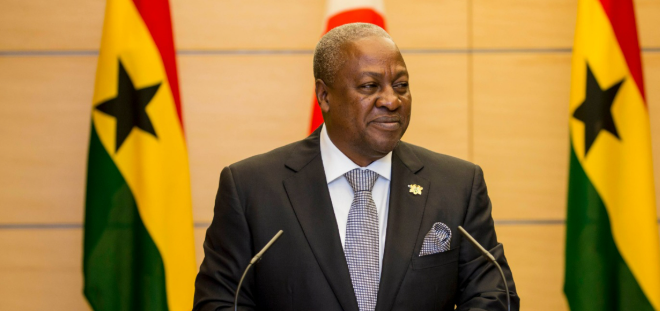
New York, March 25, 2026 — Ghana’s President, John Dramani Mahama, has issued a pointed critique of the United States government, accusing it of fostering an environment that risks diminishing the recognition of Black history.
Speaking in New York City on Tuesday, Mahama expressed concern over what he characterized as a growing normalization of policies and narratives that sideline or erase key aspects of Black historical contributions. While he did not cite specific legislation, his remarks underscored broader anxieties about cultural and historical representation.
Mahama warned that such developments in the United States could have consequences beyond its borders. “When major global powers begin to reinterpret or minimize historical truths, the effects are rarely confined domestically,” he suggested, emphasizing the potential for similar trends to emerge in other regions.
The Ghanaian leader framed the issue as one of global importance, particularly for nations with deep historical ties to the African diaspora. He highlighted the need for vigilance in preserving historical narratives that accurately reflect the experiences and contributions of Black communities worldwide.
Mahama’s comments come amid ongoing debates in the United States over how race, history, and identity are taught and represented in public institutions. These discussions have drawn international attention, with leaders and scholars alike weighing in on their broader implications.
Reaffirming Ghana’s position, Mahama called for a collective commitment to safeguarding historical integrity. He stressed that acknowledging the full scope of history is essential not only for education but also for fostering mutual understanding and social cohesion across nations.