
Peru goes to the polls this Sunday in a closely contested presidential runoff that is expected to be heavily influenced by approximately two million first-time voters. Analysts say this new voting bloc—largely composed of younger citizens—could prove decisive in a race shaped by deep political instability and persistent concerns over employment opportunities and economic security.
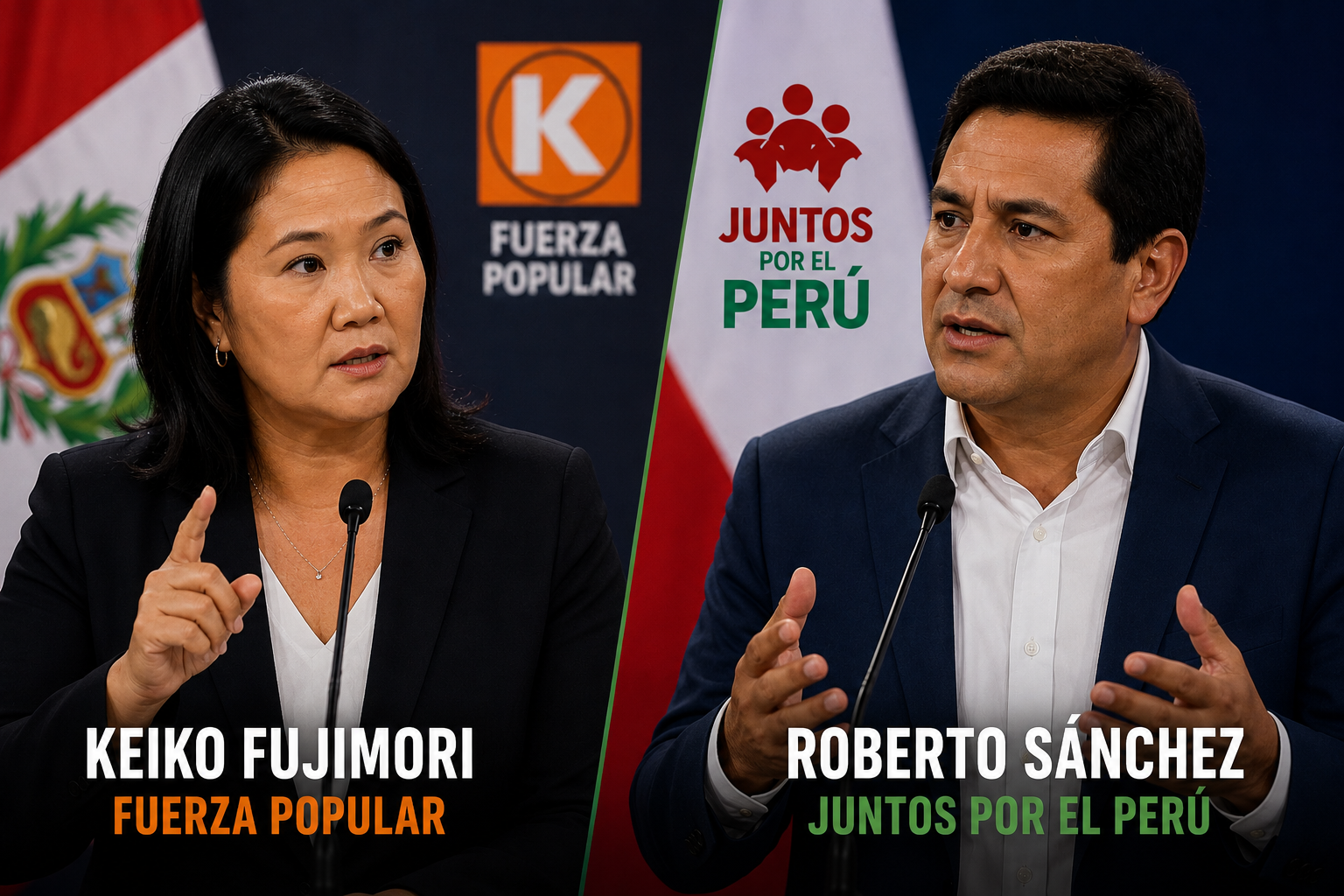
The contest is between two sharply contrasting candidates: right-wing former presidential contender Keiko Fujimori of Fuerza Popular, and left-wing congressman Roberto Sánchez of Juntos por el Perú. Both advanced to the runoff after a fragmented first round in which no candidate secured a decisive majority, reflecting widespread voter dissatisfaction and political fatigue across the country.
Youth turnout is under particular scrutiny in this election. First-time voters, many of whom are entering the electorate amid economic uncertainty and rising informal employment, have voiced concerns about limited job prospects and recurring political crises. Peru has experienced frequent leadership changes over the past decade, contributing to a climate of instability that has shaped voter sentiment, especially among younger demographics seeking long-term economic direction and institutional stability.
Fujimori has campaigned on a platform emphasizing security and economic stabilization, appealing strongly to urban and business-oriented constituencies. Sánchez, meanwhile, has focused on social reforms and greater state involvement in addressing inequality, drawing support from rural regions and younger voters dissatisfied with the political establishment.
With polling indicating a highly competitive race, the outcome is expected to hinge on turnout levels among undecided voters and first-time participants, making this cohort one of the most influential electoral forces in Sunday’s vote.