
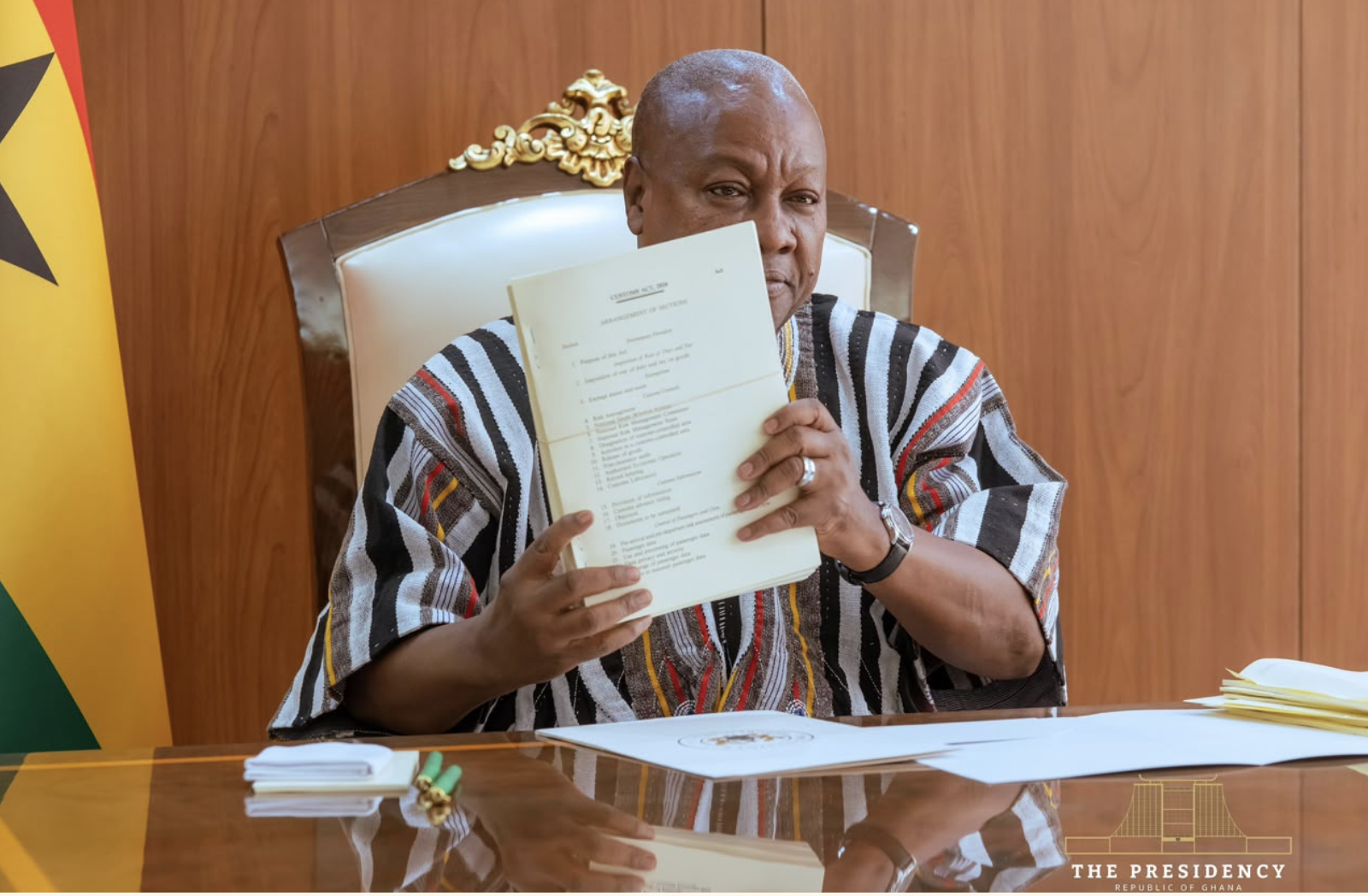
ACCRA, Ghana — August 27, 2026 — Ghana has introduced a broad package of economic, judicial and security reforms after President John Dramani Mahama signed ten major bills into law on August 26.
Among the most significant measures is the new Cocoa Board Act, which seeks to strengthen Ghana’s cocoa industry while keeping more of the value generated by the country’s cocoa production within the domestic economy. Under the reforms, Ghana is committing to process at least 50% of its cocoa beans domestically, potentially expanding opportunities for local manufacturing, chocolate production, employment and exports of higher-value finished products.
The cocoa reforms also provide for farmers to receive 70% of the world-market price of cocoa, an important provision aimed at improving the income of producers who form the foundation of one of Ghana’s most important export industries.
Tax relief is another major component. An amendment to Ghana’s income-tax law exempts people earning the minimum wage or less from income tax, providing relief for some of the country’s lowest-paid workers.
The legislative package extends well beyond agriculture and taxation. It includes reforms involving VAT, customs administration and energy levies, while consolidating customs legislation to improve the administration of Ghana’s trade and revenue system.
Criminal-justice reform is also included through legislation establishing non-custodial community-service sentences for certain minor offences. The measure gives courts an alternative to imprisonment in eligible cases.
Ghana also strengthened its legal framework for dealing with maritime offences, improving the country’s ability to prosecute crimes committed within its territorial waters. Other measures address regional tribunals and give statutory recognition to the National Defence University.
Why this matters for African integration
The cocoa provisions could have significance beyond Ghana. African governments and institutions have increasingly emphasized local value addition and industrialization as part of efforts to reduce the continent’s dependence on exporting raw commodities.
For Ghana, processing more cocoa domestically could mean that a greater share of the industry’s value—from manufacturing and packaging to employment and exports—remains inside the country.
Taken together, the ten new laws represent an unusually broad reform package, connecting agriculture, industrialization, taxation, trade, justice, education and maritime security. For the wider African integration agenda, Ghana’s push toward domestic cocoa processing illustrates a central challenge facing the continent: moving from being primarily a supplier of raw materials toward becoming a producer and exporter of higher-value African-made products.