
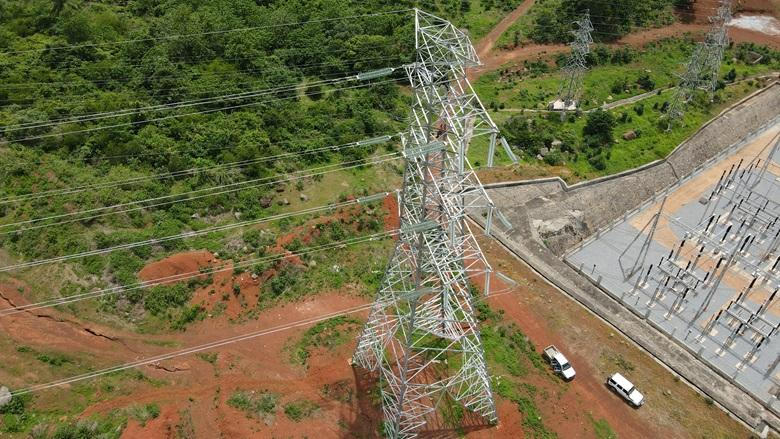
The Economic Community of West African States (ECOWAS) and the World Bank have begun reviewing the implementation of the Regional Electricity Access and Battery-Energy Storage Technologies (RAISE) project, a major initiative to expand electricity access and boost renewable energy generation in West Africa.
The review comes as partners assess progress on the ambitious project, which is designed to improve energy infrastructure and accelerate the transition to clean energy in Togo and The Gambia. The initiative forms part of broader regional efforts to address energy deficits, support economic development and strengthen energy security across the ECOWAS region.
According to project targets, the RAISE programme is expected to reach 1,800 localities across the two countries, bringing electricity services to communities that have historically faced limited or unreliable access to power. The project also aims to facilitate about 202,000 household electricity connections, improving living standards and supporting productive economic activities.
A key component of the initiative is the expansion of renewable energy capacity, with plans to develop 242 megawatts of renewable power generation. The additional capacity is expected to contribute to cleaner energy supplies while reducing dependence on conventional energy sources.
Officials involved in the review are expected to examine implementation progress, identify potential challenges and discuss measures to ensure the project remains on track to achieve its objectives. The assessment will also provide an opportunity for stakeholders to strengthen coordination and maximize the impact of investments in the region’s energy sector.
The RAISE project is viewed as a significant step toward advancing universal energy access and sustainable development in West Africa, with Togo and The Gambia positioned to benefit from improved electricity coverage, enhanced renewable energy infrastructure and greater opportunities for economic growth.
As the implementation review continues, attention will focus on the project’s progress toward meeting its connectivity and renewable energy targets, which are expected to play an important role in supporting the region’s long-term development goals.