
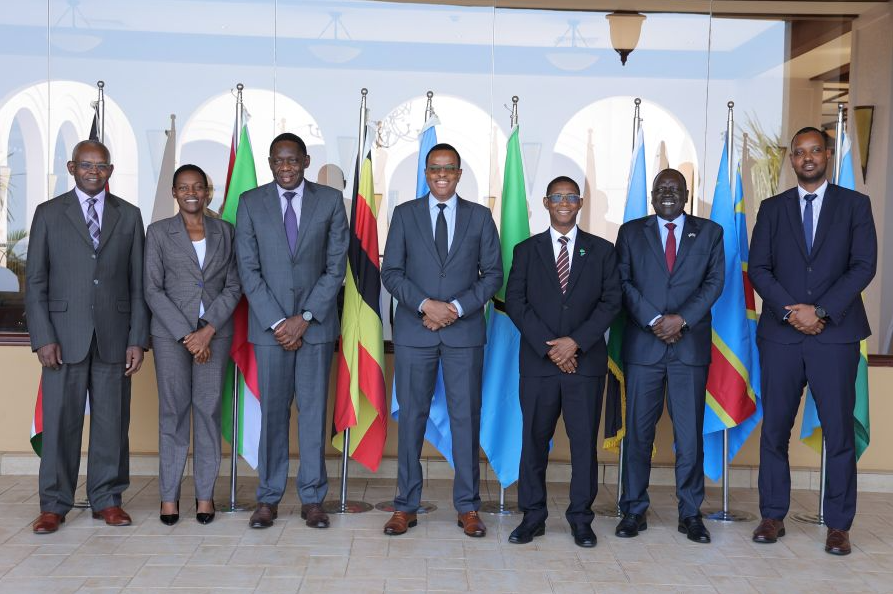
ARUSHA, Tanzania — The East African Community (EAC) has reaffirmed its commitment to advancing the East African Monetary Union (EAMU), with the regional bloc’s Monetary Affairs Committee continuing to prioritize preparations for greater financial and economic integration among its partner states.
According to the EAC’s official communications, the Monetary Affairs Committee’s reaffirmation of support for the Monetary Union remains the organization’s most recent substantive regional policy announcement through early August 5.
The East African Monetary Union is one of the key pillars of the EAC integration agenda and is intended to pave the way for the eventual introduction of a single regional currency. The initiative seeks to deepen economic cooperation by promoting monetary stability, improving cross-border financial transactions, and strengthening regional economic integration.
The Monetary Affairs Committee has emphasized the importance of continued collaboration among central banks and finance ministries to advance the technical and institutional requirements necessary for monetary union. These efforts include harmonizing monetary and fiscal policies, strengthening financial-sector regulation, and improving payment and settlement systems across the region.
Achieving a common currency will require partner states to meet agreed convergence criteria, including maintaining stable inflation, sustainable public finances, and sound macroeconomic policies. The process also involves enhancing banking supervision, improving financial governance, and coordinating economic policy among member countries.
The EAC currently comprises eight partner states—Burundi, the Democratic Republic of the Congo, Kenya, Rwanda, Somalia, South Sudan, Tanzania, and Uganda. The Monetary Union represents an important step toward the bloc’s long-term vision of deeper regional integration, complementing the Customs Union, Common Market, and the eventual goal of a Political Federation.
While no new substantive policy announcements had been issued by the EAC through early August 5, the continued emphasis on the East African Monetary Union underscores the regional bloc’s commitment to building a more integrated and resilient economy capable of supporting trade, investment, and sustainable development across East Africa.