
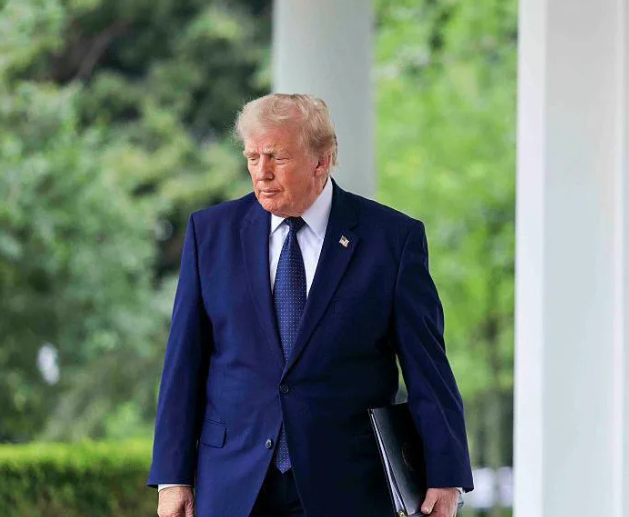
WASHINGTON, D.C. — A federal judge has voided a controversial settlement between President Donald Trump and the Internal Revenue Service (IRS) that would have granted sweeping protections from tax audits and initially established a nearly $1.8 billion government fund, according to multiple news reports and posts by major news organizations on social media.
According to Reuters, the Associated Press, The Guardian, and other news outlets, U.S. District Judge Kathleen Williams ruled that the settlement had no legitimate legal basis because the parties involved were not genuinely adverse, a constitutional requirement for civil litigation.
The agreement stemmed from Trump’s $10 billion lawsuit against the IRS over the unauthorized disclosure of his tax returns. As part of the settlement, the Justice Department had agreed to permanently shield Trump, his family, and affiliated businesses from IRS audits related to past tax filings. The original agreement also proposed creating a government-funded “Anti-Weaponization Fund” worth approximately $1.8 billion, though that provision was later abandoned following bipartisan criticism.
In her 56-page ruling, Judge Williams concluded that the lawsuit was filed for an “improper purpose” and appeared designed to use the federal courts to legitimize an agreement that would confer extraordinary legal benefits on the president and his affiliated entities. She ruled that the settlement cannot be relied upon in future judicial or regulatory proceedings.
The judge also referred Trump’s attorney, Alejandro Brito, along with senior Justice Department officials involved in approving the agreement, to state bar authorities for potential ethics investigations. In addition, attorney Daniel Epstein was suspended from practicing before the U.S. District Court for the Southern District of Florida for one year because of his role in the litigation.
The ruling does not revive Trump’s original lawsuit against the IRS, which had already been withdrawn, but it nullifies the settlement and removes any legal effect it may have had. Legal analysts say the decision raises fresh questions about presidential authority, the separation of powers, and the limits of executive influence over federal agencies.
The White House and Trump’s legal team had not issued a detailed response to the ruling at the time of publication. The decision is expected to intensify legal and political scrutiny of the administration’s handling of the settlement and could lead to additional disciplinary proceedings involving attorneys connected to the case.